

Replicating the Olouguelemo Association
Transformational climate change adaptation and social change in Mali
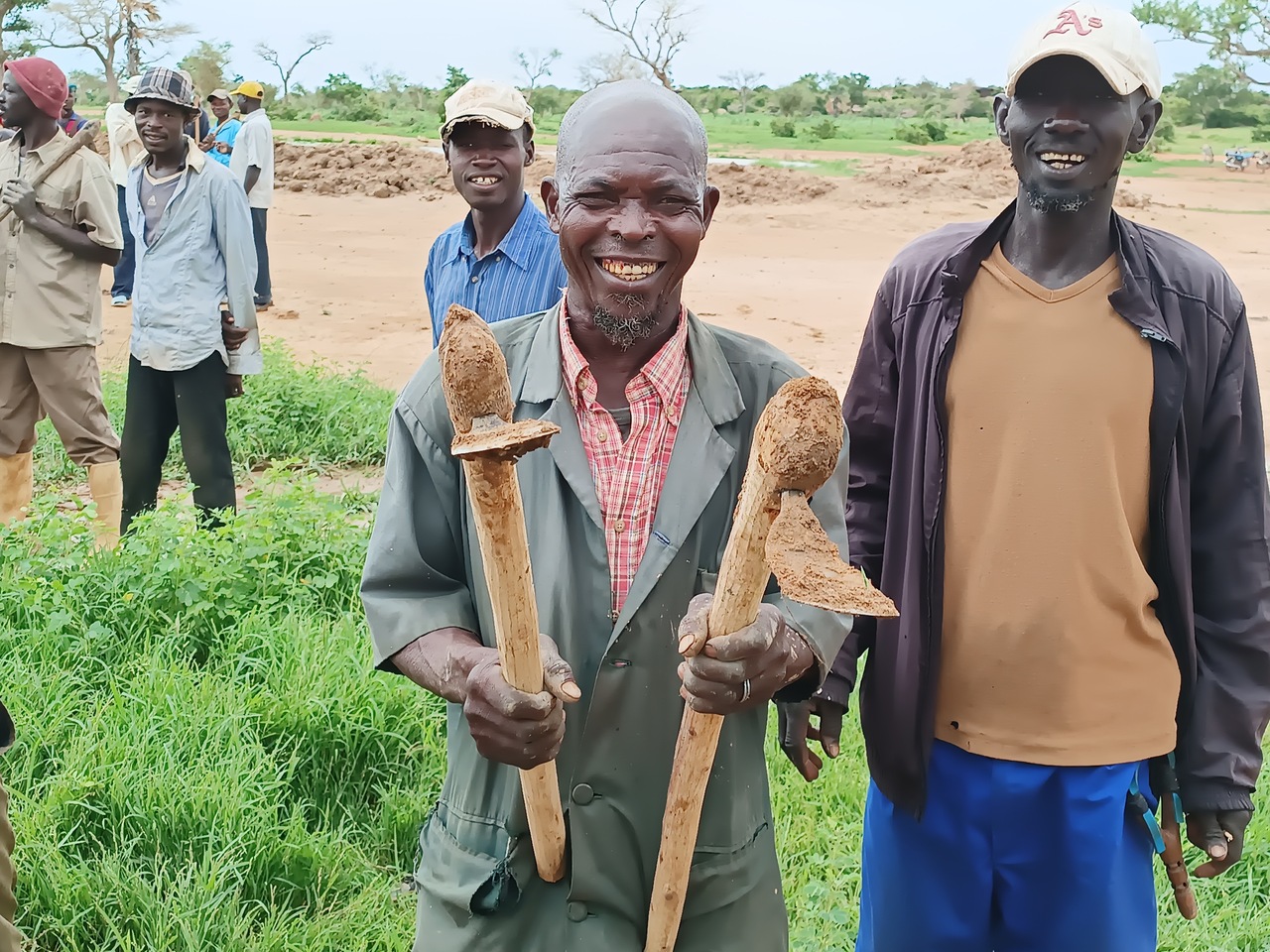
Land degradation and desertification can feel like unavoidable consequences to villagers in places like rural Mali that are experiencing a changing climate. However, the Olouguelemo Environmental Association (OEA), a farmer-led association, is implementing local solutions that effectively strengthen food security and regenerate the environment. In the Wadouba Township, the OEA's collective management of natural resources is addressing climate change and supporting sustainable livelihoods. The OEA has grown to include 38 villages, which impacts the lives of 30,000 community members. Many neighboring townships have requested to participate in OEA activities; they are also ready to form and lead their own associations.
"A long time ago, our grandfathers planted cashew and fig trees, which are a symbol of peace. With drought and climate change, these symbolic trees disappear. Thanks to The Tandana Foundation, in the member villages of the Olouguelemo Association, we know the value of reforestation and we continue to plant trees that have been starting to disappear." — Hamidou Bamia, Nounou Village and OEA Member
___________________________________________________________________________________________________________
The challenges:
Just 9% of land is arable in the Bandiagara Region, and most residents rely on subsistence farming
Decreasing rainfall is contributing to decreased harvests and exacerbating food insecurity
Residents often lack access to government support and community decision-making processes that impact their lives
The Olouguelemo Association's roots:
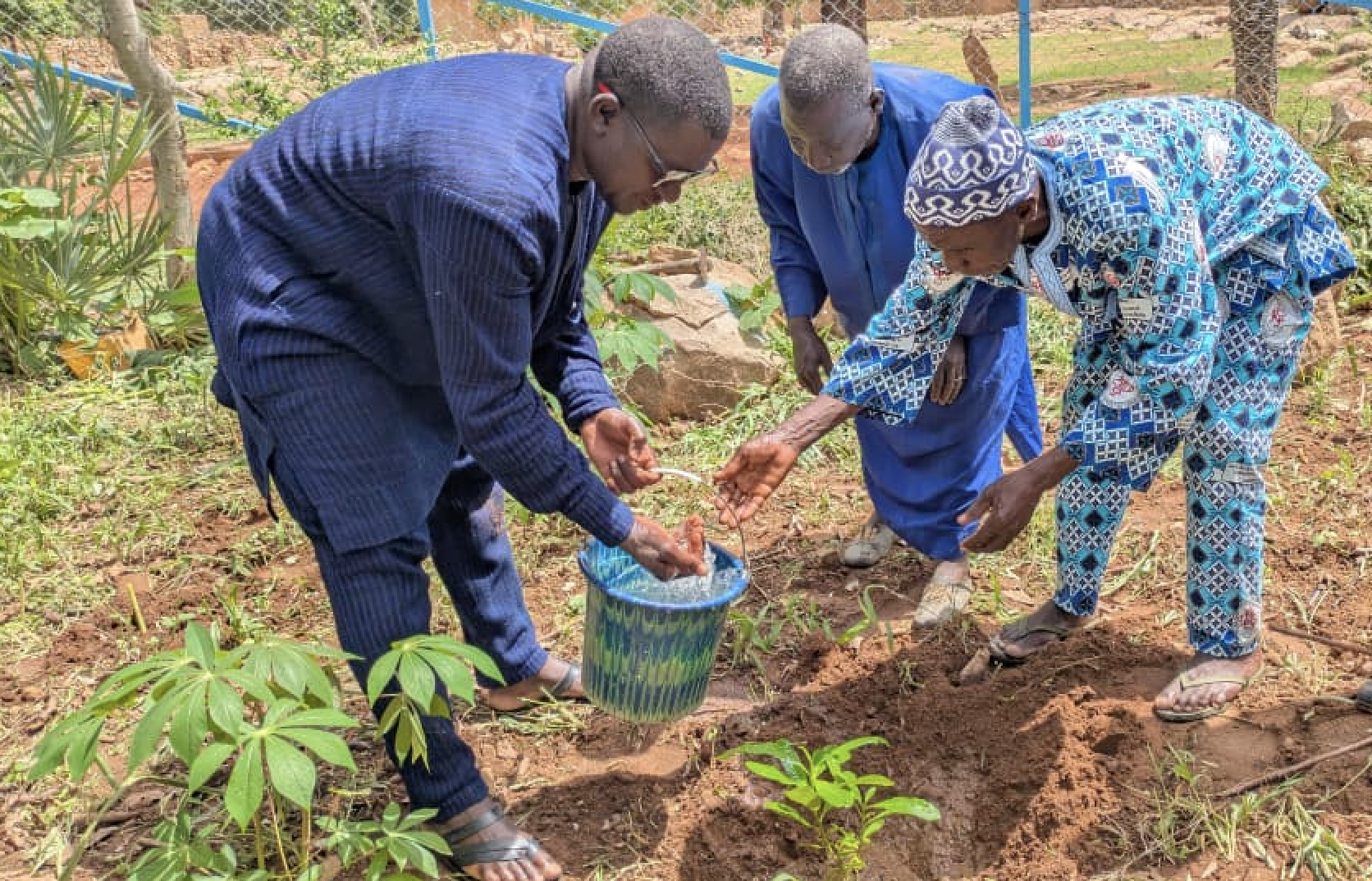
The OEA started in 2012 after Tandana connected village members from Kansongo and Sal-Dimi with other villages in the region that had formed an association to protect their forests. Participants returned home determined to create their own association. Olouguelemo was formed, which means 'Let's Take Care of our Bush.' Tandana assisted in registration, and provides financial and technical support for environmental regeneration activities.
The OEA has incrementally grown from its 8 founding villages to now benefitting 38 villages. It has supported thousands by improving food and crop productivity and increasing natural resource availability.
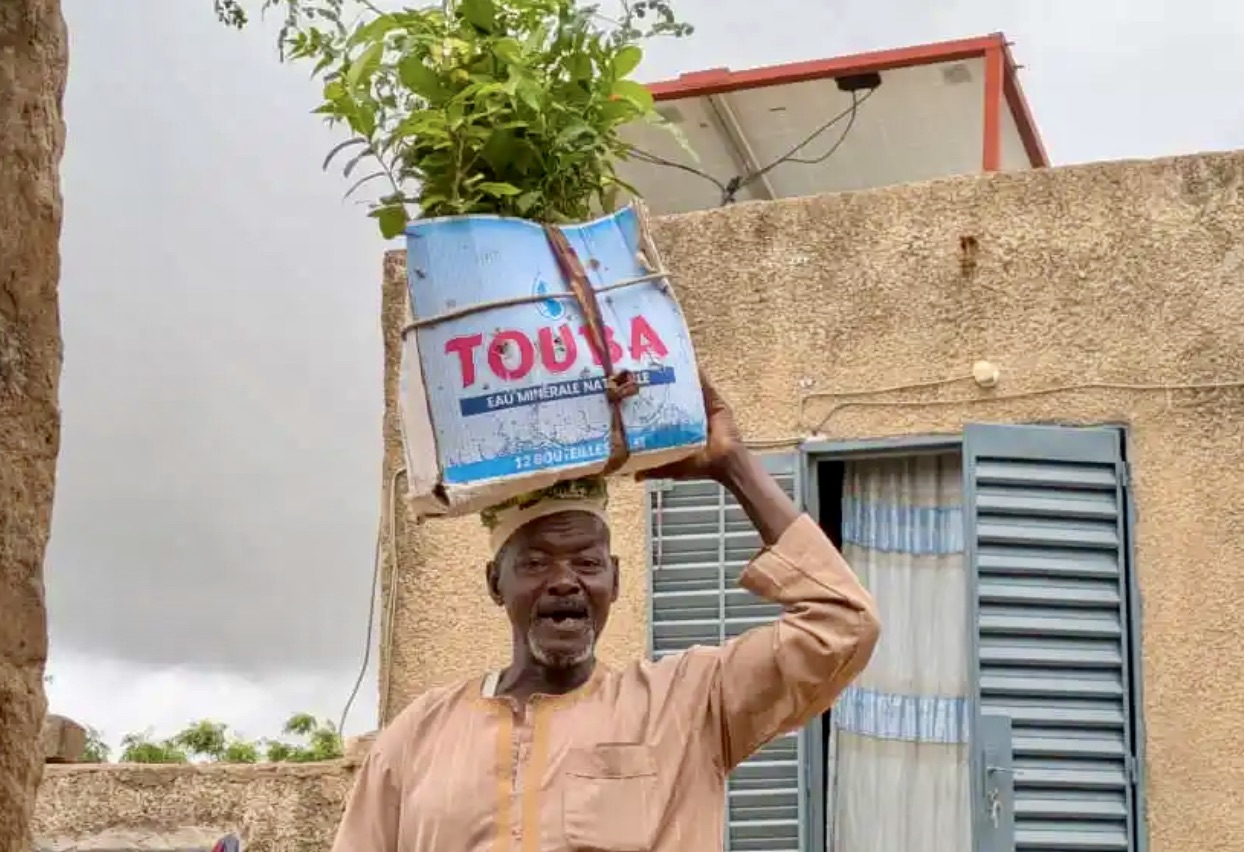 "Today, since rain is scarce, the trees that grow by themselves die. And, if you haven’t protected them with fences, during the dry season, the animals eat everything. So, what can you do? You have to replant your trees and protect them.
Thanks to the practices shared with members of the Olouguelemo Association by The Tandana Foundation, I’ve replanted a lot of trees in my field. There’s a lot of greenery. I have eucalyptus trees, which I earn a lot of money from. The trees retain water in fields with assisted natural regeneration, and the rainy season produces a good harvest." — Ayouba Kansaye, Kani Village, OEA president
Our proven solution:
Olouguelemo shares knowledge and locally-proven practices related to environmental conservation with an ever-increasing number of rural Malians. Its processes promote collective decision-making, which includes women, youth, elders, farmers and herders. This structure alleviates disputes over resources and creates ownership by all its members, who both implement and benefit from its activities.

The OEA's accomplishments include:
- Construction of 177,550 meters of erosion control lines, leading to a 140% increase in crop yields
- Distribution of 7,700 efficient cookstoves, which reduces collection of limited firewood resources
- Protection of 137,000 trees through assisted natural regeneration
- Expansion of 97 ponds to improve irrigation in the dry season
- Planting of 24,000 trees to restore deforested areas
- Conservation of 1,222 hectares of forest
Expanding this model throughout the Bandiagara Region will make improved food security and environmental regeneration possible for more than 100,000 Malians.
_______________________________________________
Tandana seeks to replicate this work through:
The formation of 7 new environmental associations that are locally owned and governed
Training for residents in association management and natural resource regeneration in 128 new villages in 7 townships
Providing opportunity for nearly all farmers and herders in the region to address challenges affecting their livelihoods
Join this effort:
Your support will go directly to implementing locally-led solutions that address intensifying effects of climate change and food insecurity in the Bandiagara Region.
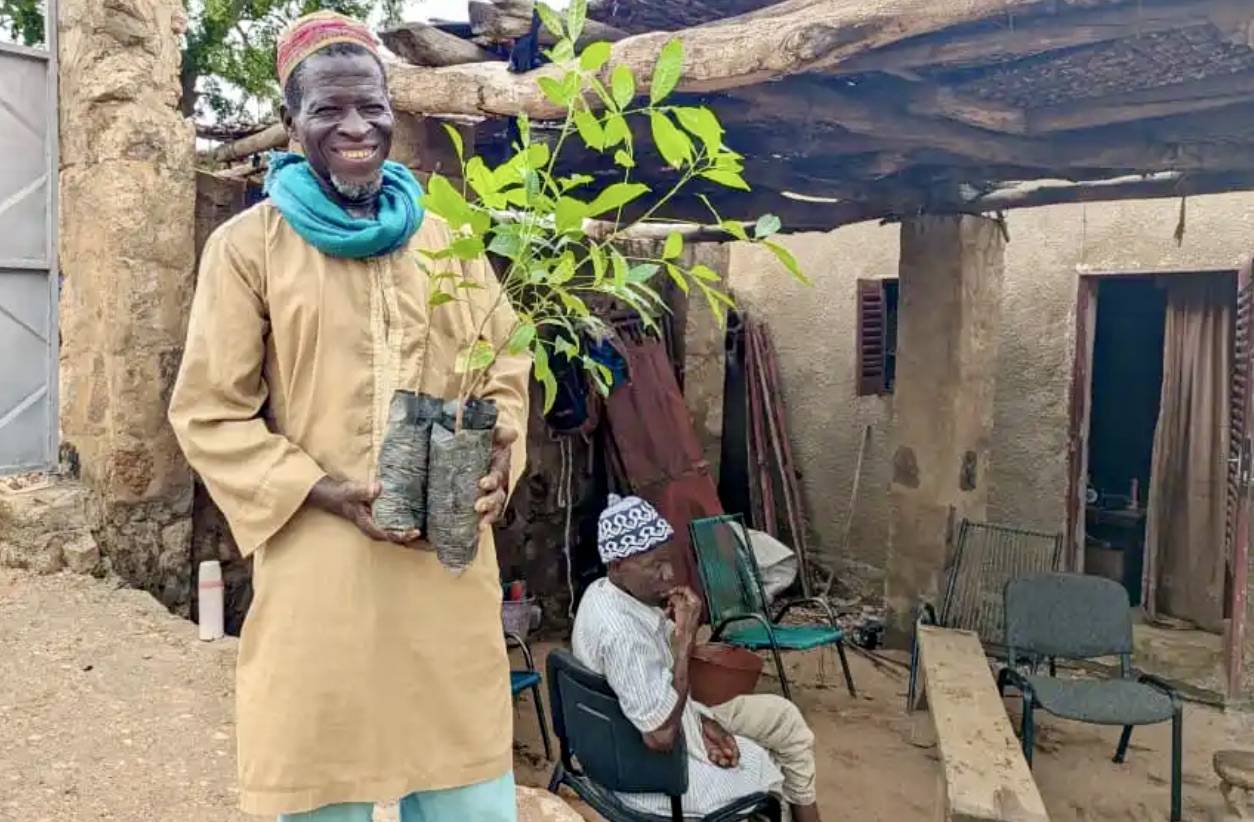
The replication of all OEA training and activities throughout the Region will cost $1,400,000. There are many incremental ways that we can expand this important work. For example:
- The creation and training for 1 new association costs $13,500
- The management of a tree nursery for 1 association costs $65,000
- Exchange visits for peer-to-peer training for all new association members with current OEA members costs $100,000
- Training and resources to distribute efficient cookstoves costs $125,000
- Training and tools to implement erosion control throughout the Region costs $310,000
This investment will help to advance the foundation for wellbeing — environmental health and food security — for over 100,000 village members in central Mali. Thank you for your consideration and partnership.