The Tandana Foundation
Menu
    • External link opens in new tab or window
    • External link opens in new tab or window
  • External link opens in new tab or window
    • External link opens in new tab or window
    • External link opens in new tab or window
    • External link opens in new tab or window
    • External link opens in new tab or window
    • External link opens in new tab or window

Custom Group Volunteer Programs


Register Online


Group Volunteer Programs:

  • Support community-initiated projects
  • Provide cultural learning opportunities for your group
  • Customize the program based on your goals and needs
"Thank you all so much for a fantastic week! We are so grateful for all of your work in helping us put this together and creating such an amazing, exciting, and mind-opening cultural-service experience! You really opened us up and allowed us the ability to do something that I am sure will stay with us for a long time to come. Back in Boston we all really miss the community and learning and growing with all of you as our peers and guides through this amazing journey!"

-- Kayla, group leader from Massachusetts


Overview
 

Custom Group Volunteer Programs Overview


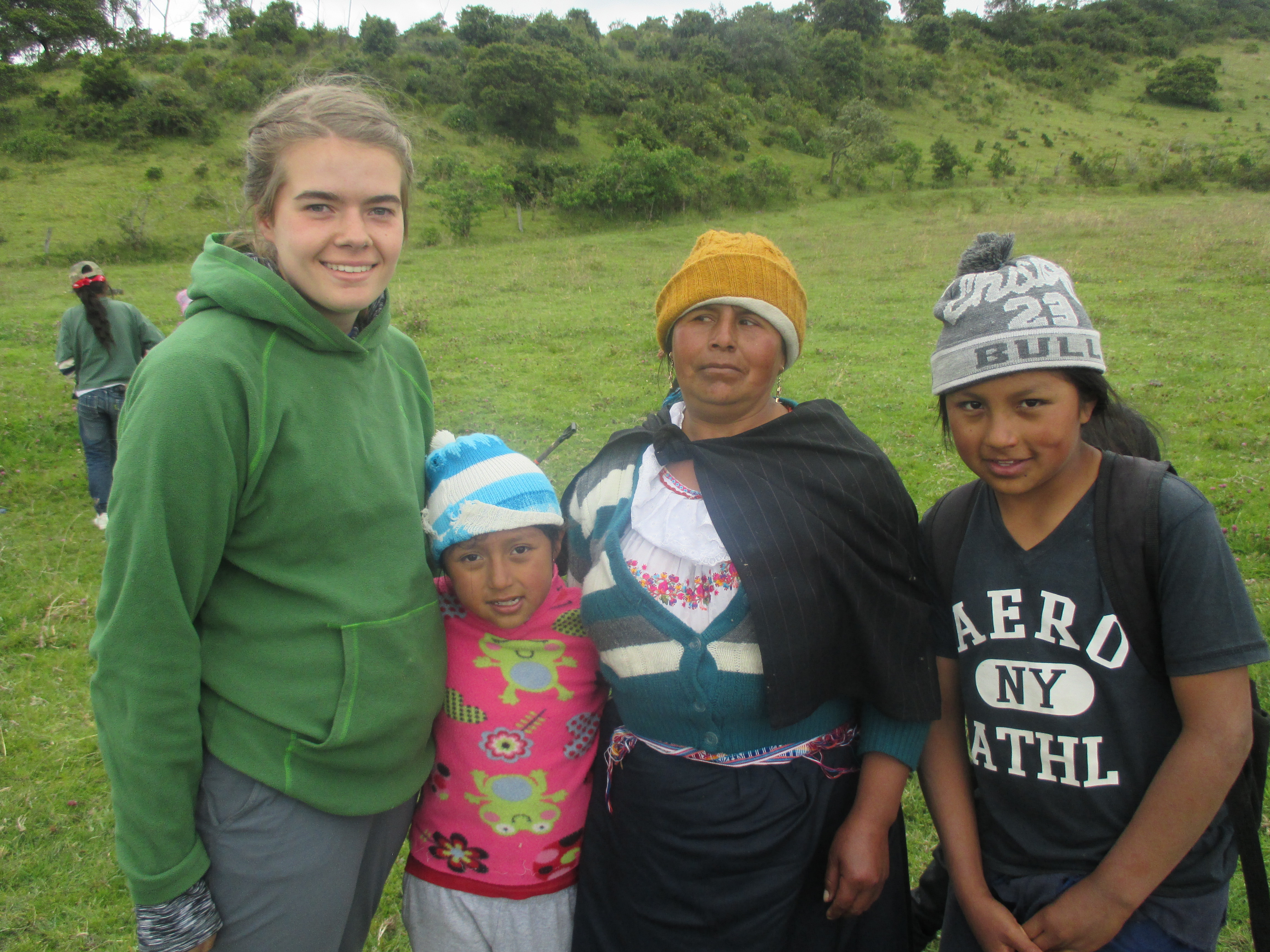
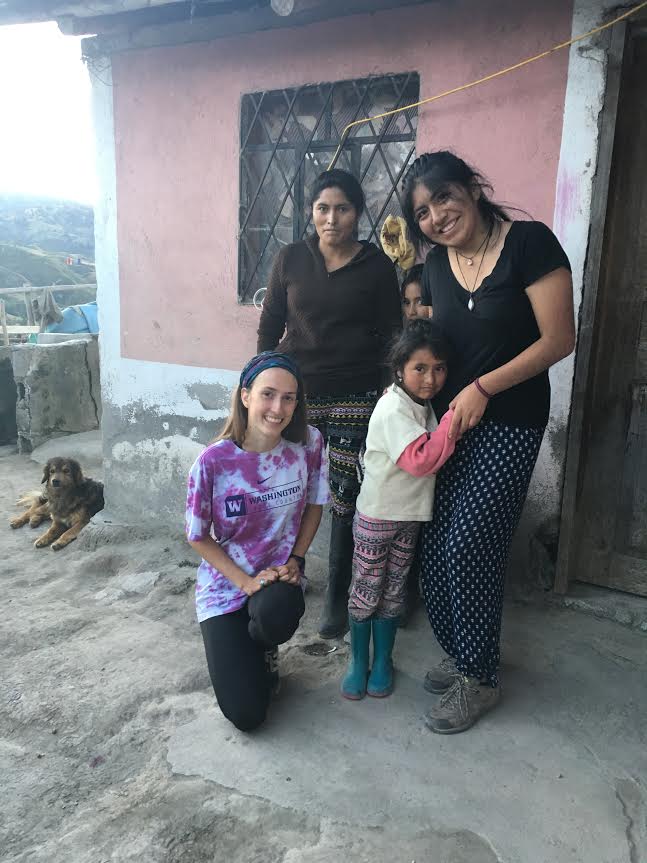
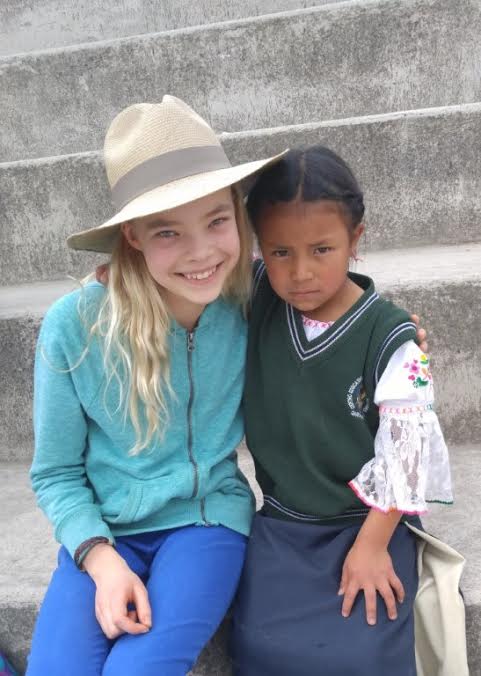
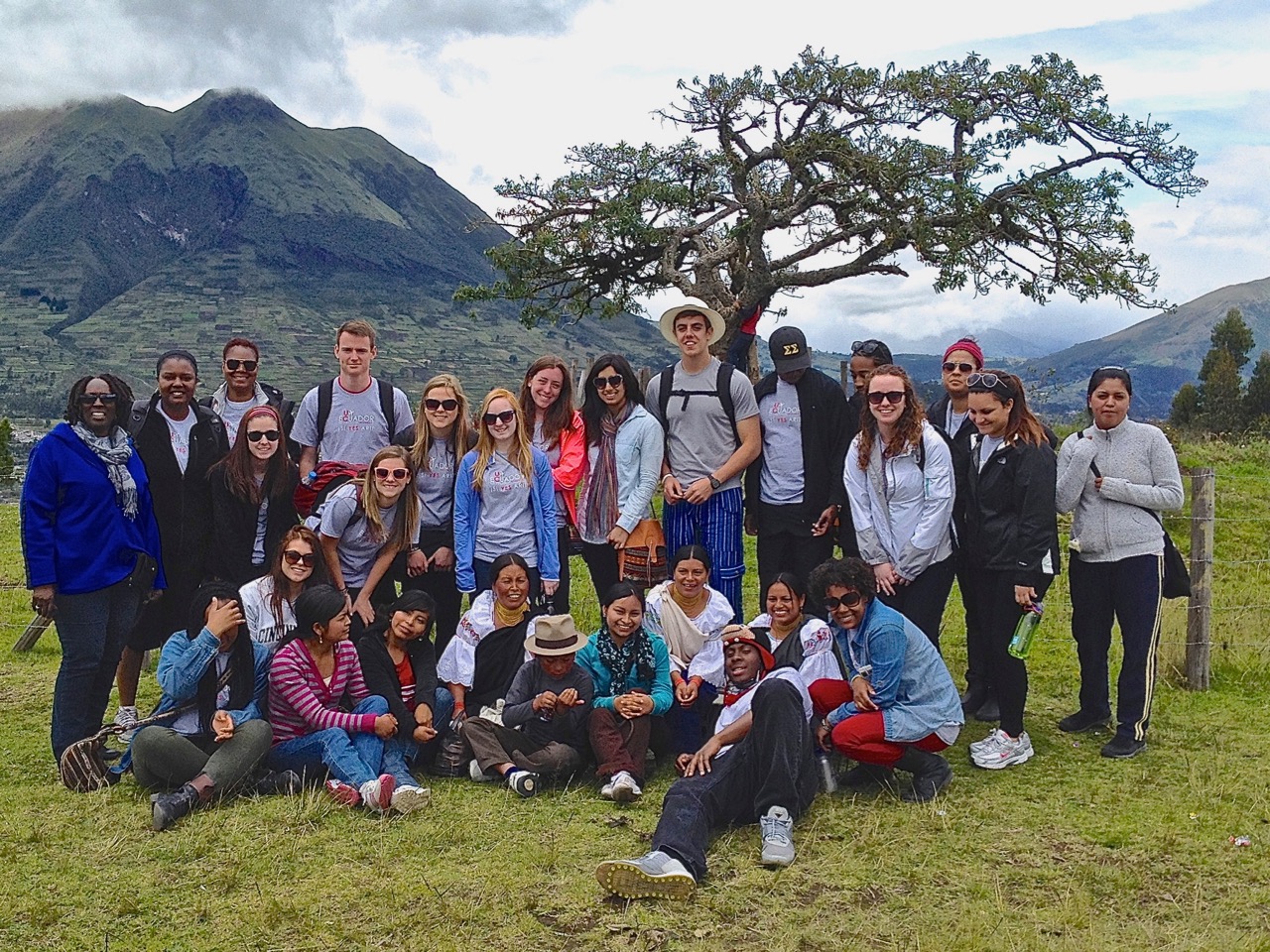
The Tandana Foundation can offer your group a chance to make a difference in the lives of rural Ecuadorians or Malians while becoming part of the community you serve.


Whether you are a class, organization, club, set of service-oriented and adventure-seeking friends, healthcare professionals, gardeners, teachers--any group that wants a new experience and a chance to make friends by helping out--we can coordinate a service project and a unique learning experience for you. Lodging options include homestays, a community center, a hostel, or a hotel. Project types include building some kind of small infrastructure with community members, gardening and reforestation work, health care, and educational activities in partnership with local schools (see the next tab for more details).  Often these can be combined.  


We typically work for about half the day, and then have other types of fun in the afternoon. If you are working within one community, we often arrange activities with our friends there, such as playing soccer, baking bread, learning about local handicrafts, having a bonfire, etc. We also like to go on hikes and participate in other cultural activities, such as taking a traditional cooking class, visiting a master weaver, or exploring the Otavalango museum. Or we might schedule activities that are geared toward your particular group, such as taking gardeners to a rose plantation or a medicinal plant tour or, for students learning about Ecuador's history and politics, arranging for a variety of speakers to share their perspectives on the hacienda system. If you'd like, we can plan other educational or reflection activities that will help your group get the most out of the experience. Finally, we try to leave time to explore the famous Otavalo handicraft market so you can buy souvenirs and gifts to bring back home. There's so much to see and do--we can't wait to talk with you about the options and design a trip that's just right for you.


And of course, we'll take care of most of the logistics for you. We can give you suggestions on international flights (though you'll get those on your own), provide your group with all the pre-trip information you'll need, book your lodging, pick you up at the airport, and give you a helpful orientation once you arrive. Throughout your stay, you won't have to give a second thought to food, transportation, activities, or supplies for your service activity. We'll do what we do best so you can do yours.

Service Activities

Service Activities

Infrastructure


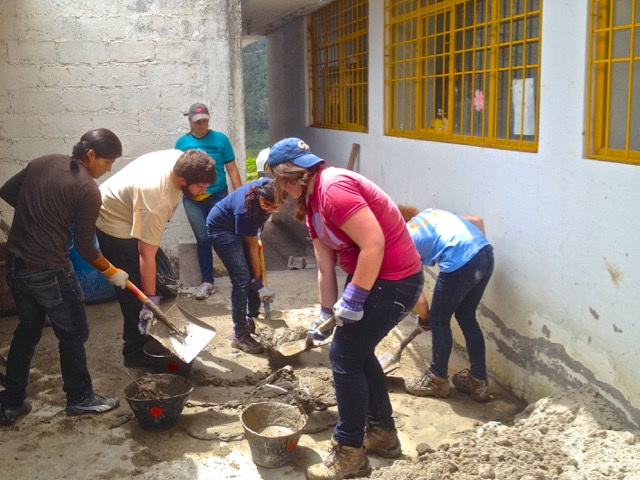
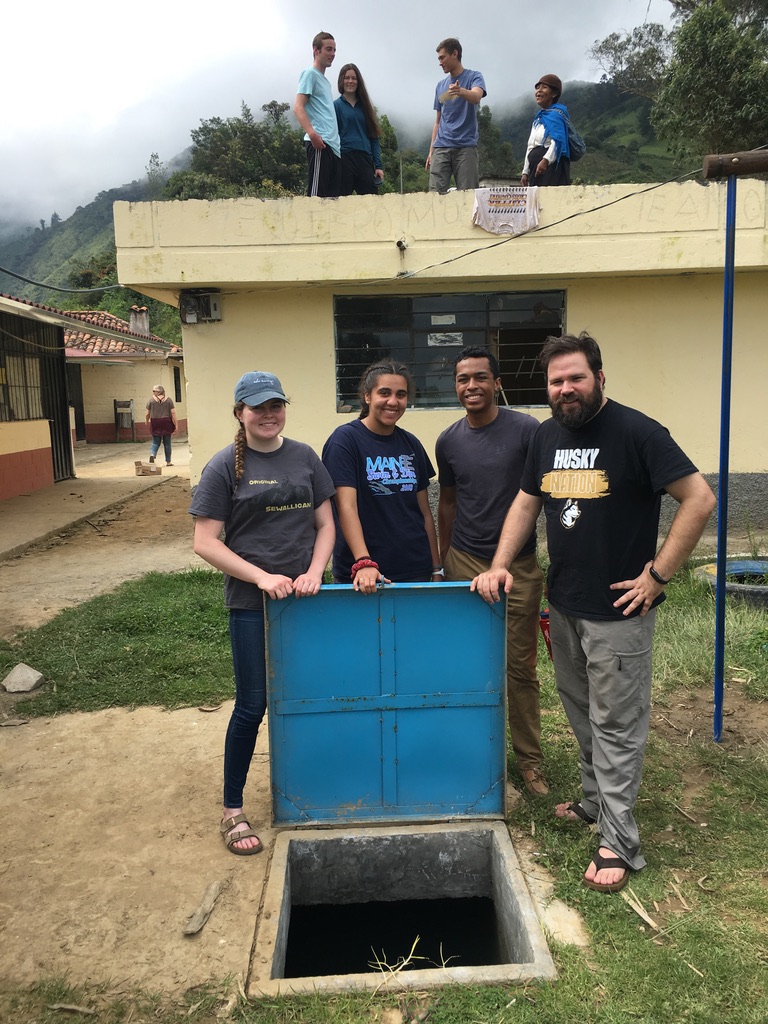
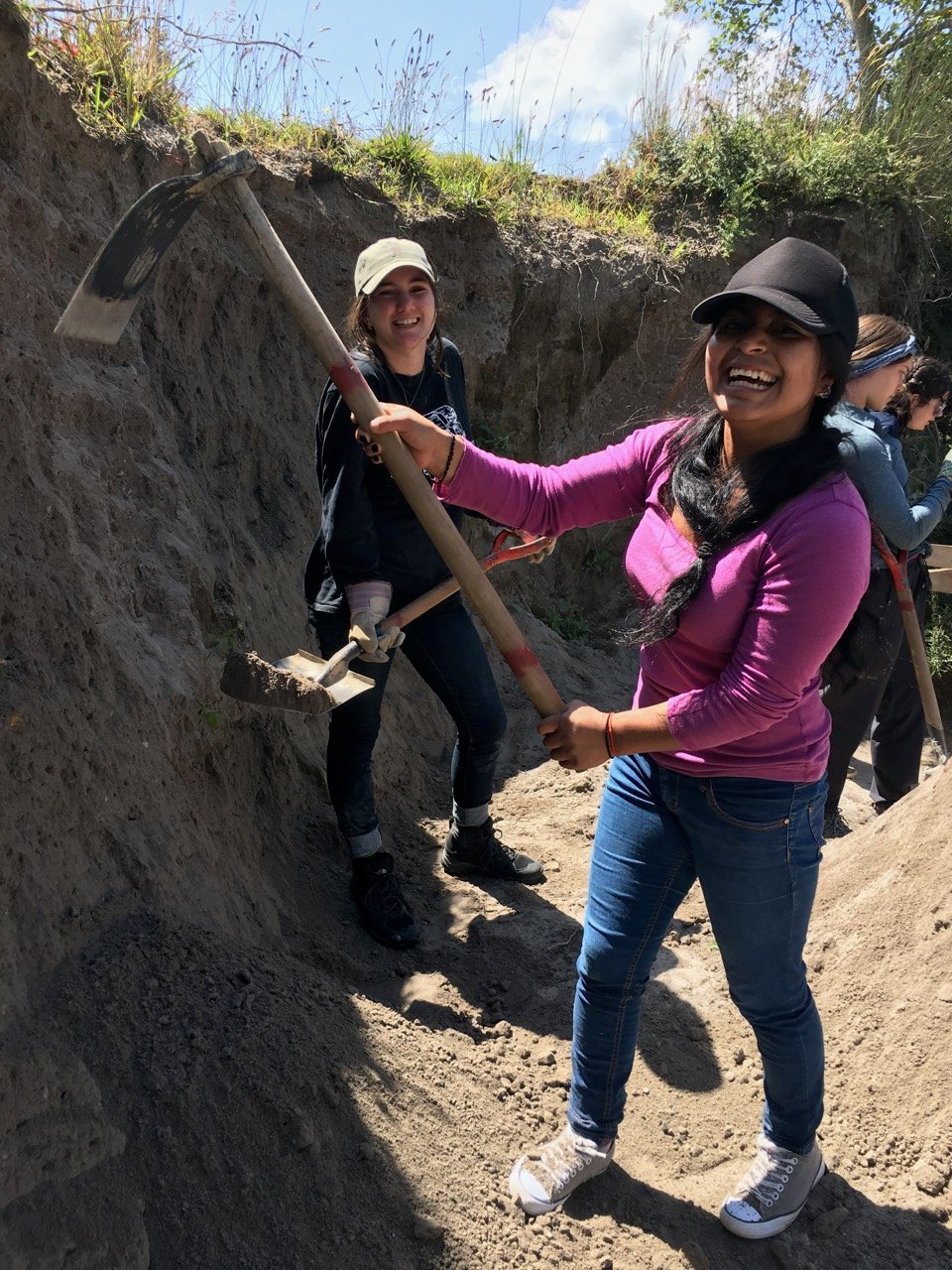
Your group can work alongside community members to build infrastructure. Some examples include a water filtration tank, a retaining wall to protect a spring, playground equipment, improvements to a community center, a bathroom, acclimatization beds for seedlings at a nursery, etc. Because the specific project depends on the community's priorities and situation at the time, it is difficult for us to tell very far in advance what the particular project will be. But we can tell you that you will have a chance to work with welcoming hosts while getting to know them and their community. Sometimes the project might be for a community as a whole, and other times for a school, daycare, or community organization.


Gardening


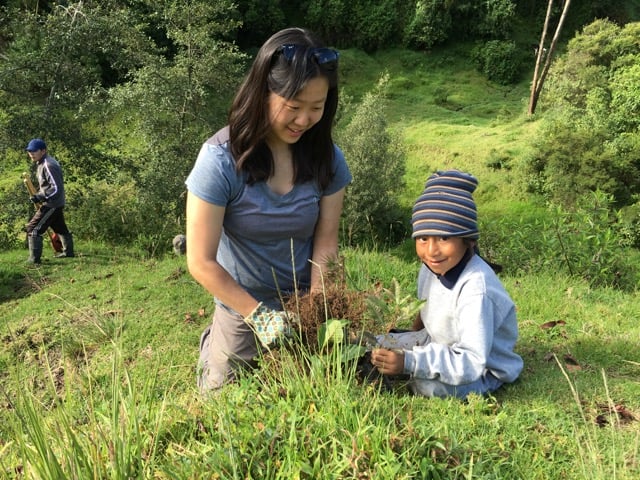
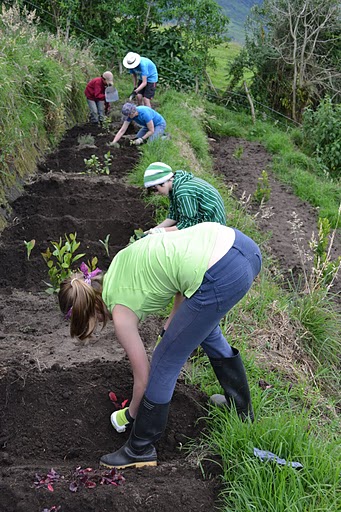
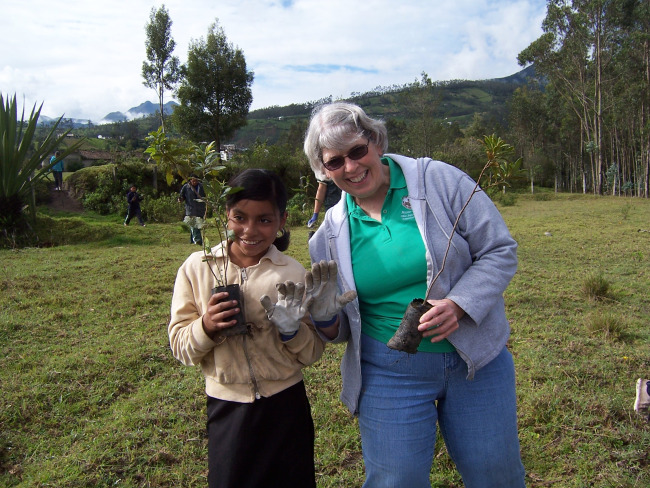
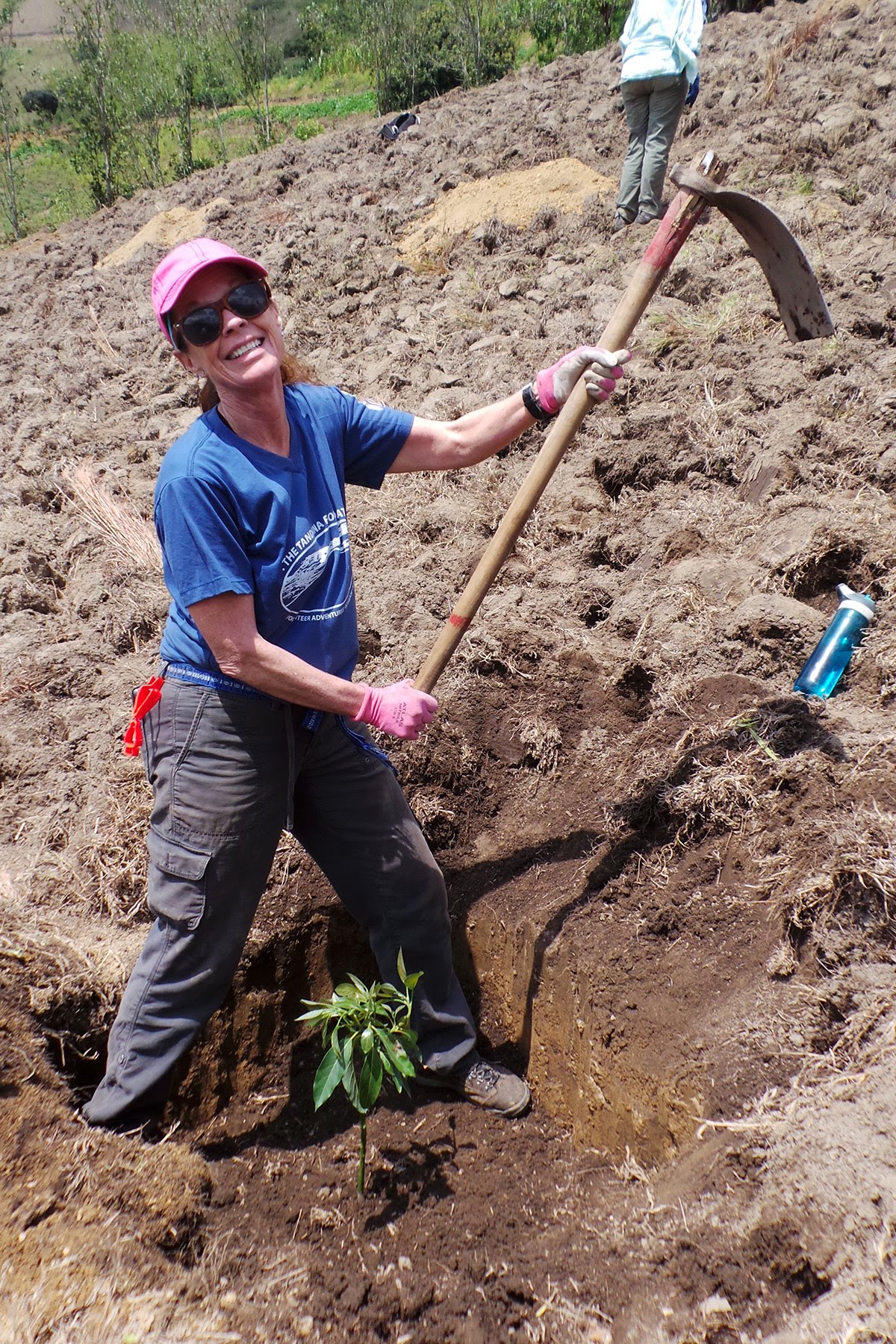
Your group may work with children in their school gardens to support nutrition and food security, or plant trees to protect water sources and prevent erosion. We have had Master Gardeners teach lessons about plants after working in a school garden, and make a huge difference by weeding and trimming. We have also had 8th graders stay in a school and help their local counterparts prepare beds, plant, and harvest in their gardens. Tree planting projects might be at 11,000 ft elevation around a water source, around a soccer field for erosion control and windbreaks, or along roadways or fences. You can also combine this kind of work with a small building project for the tree nursery or the school your group gardens with, or with educational activities at a school.   
         

Education


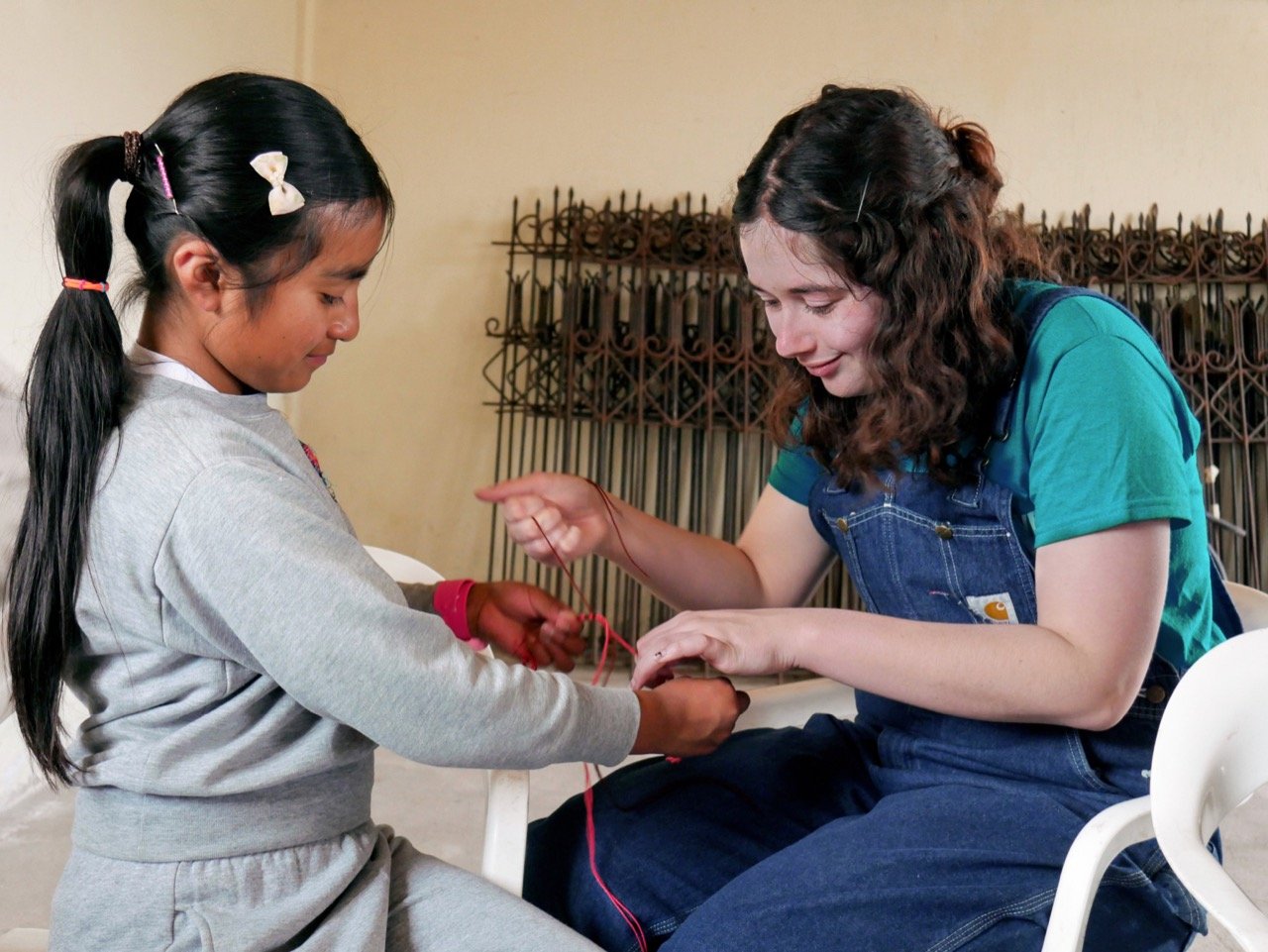
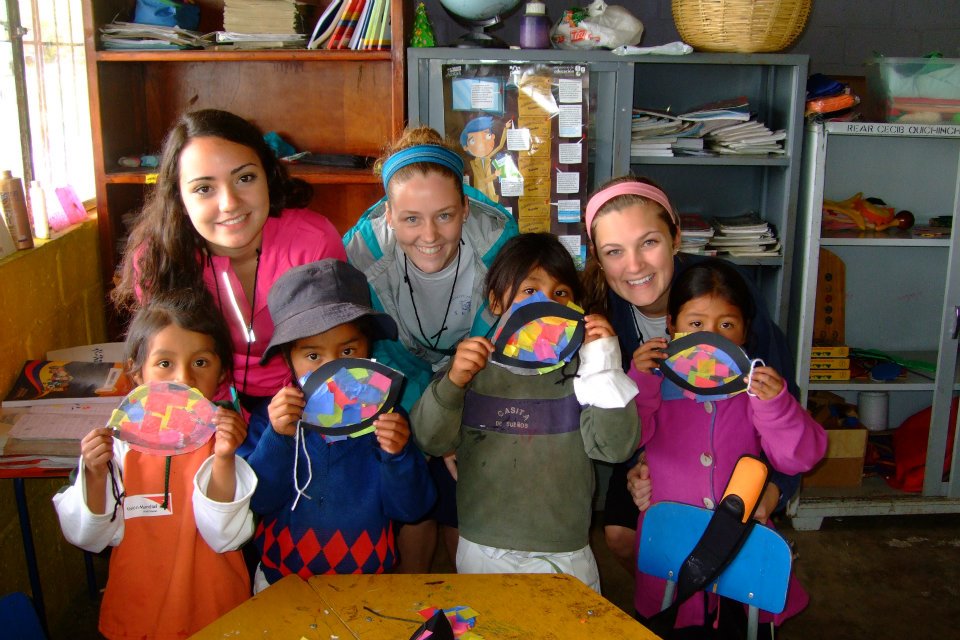
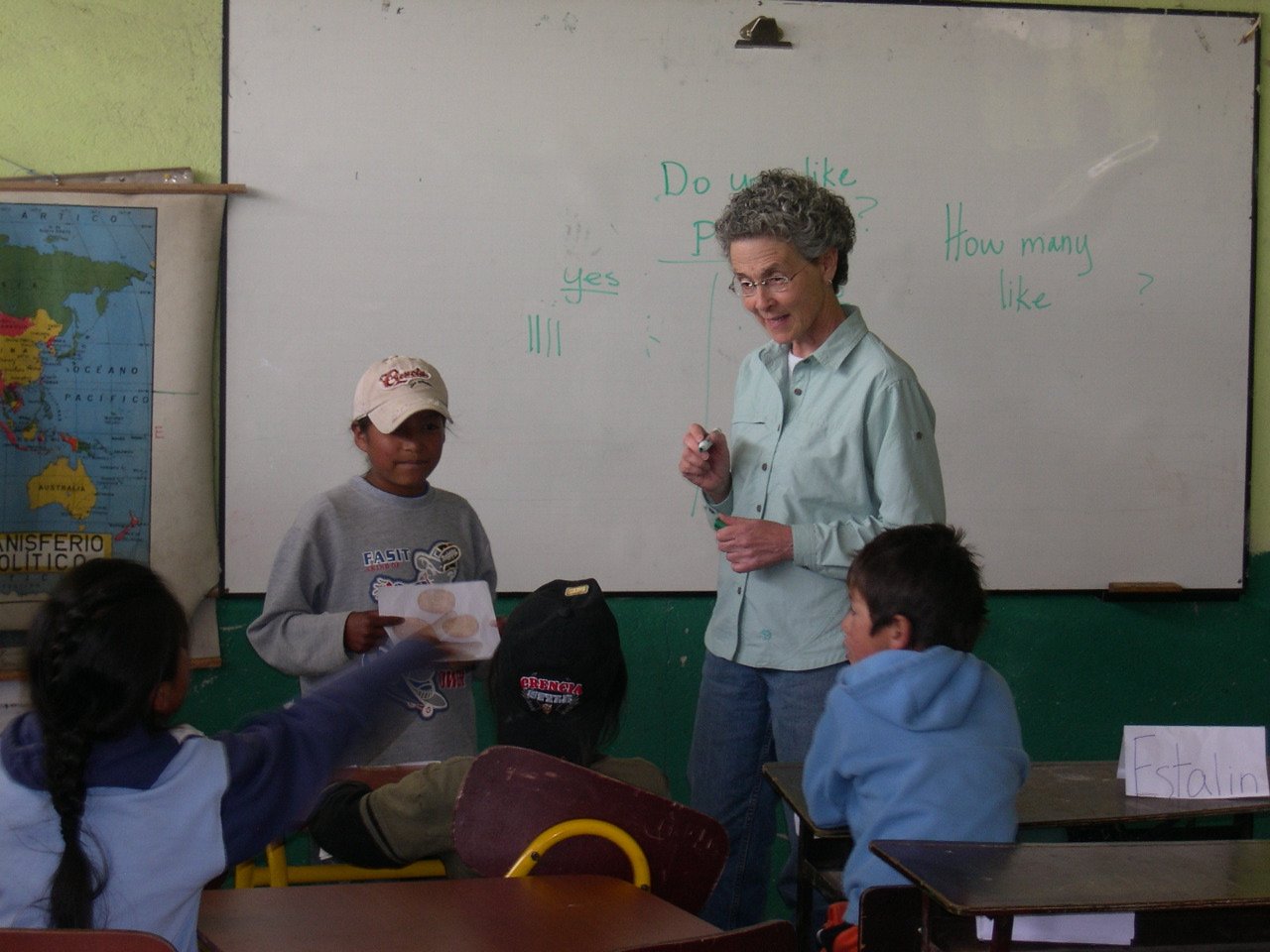
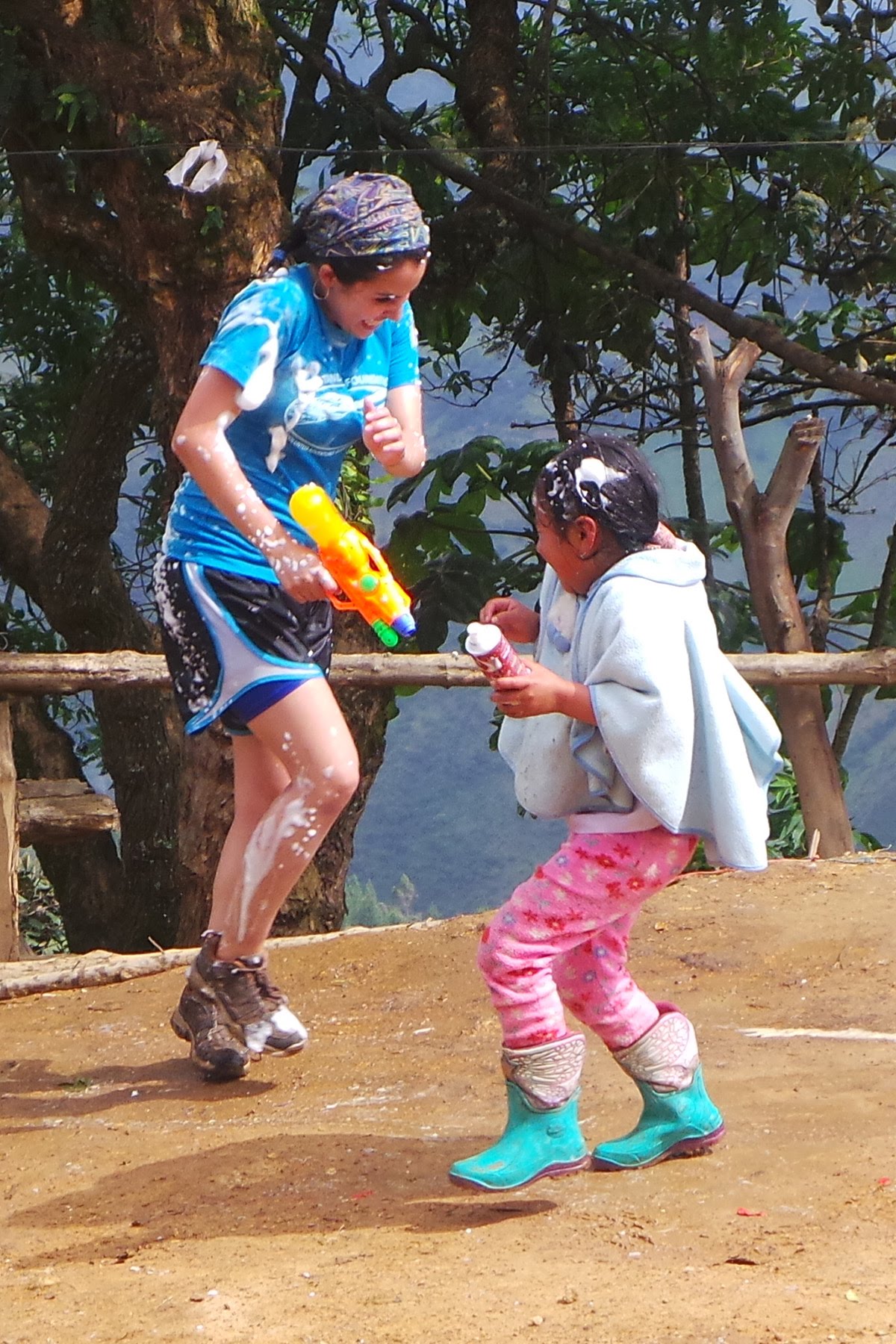
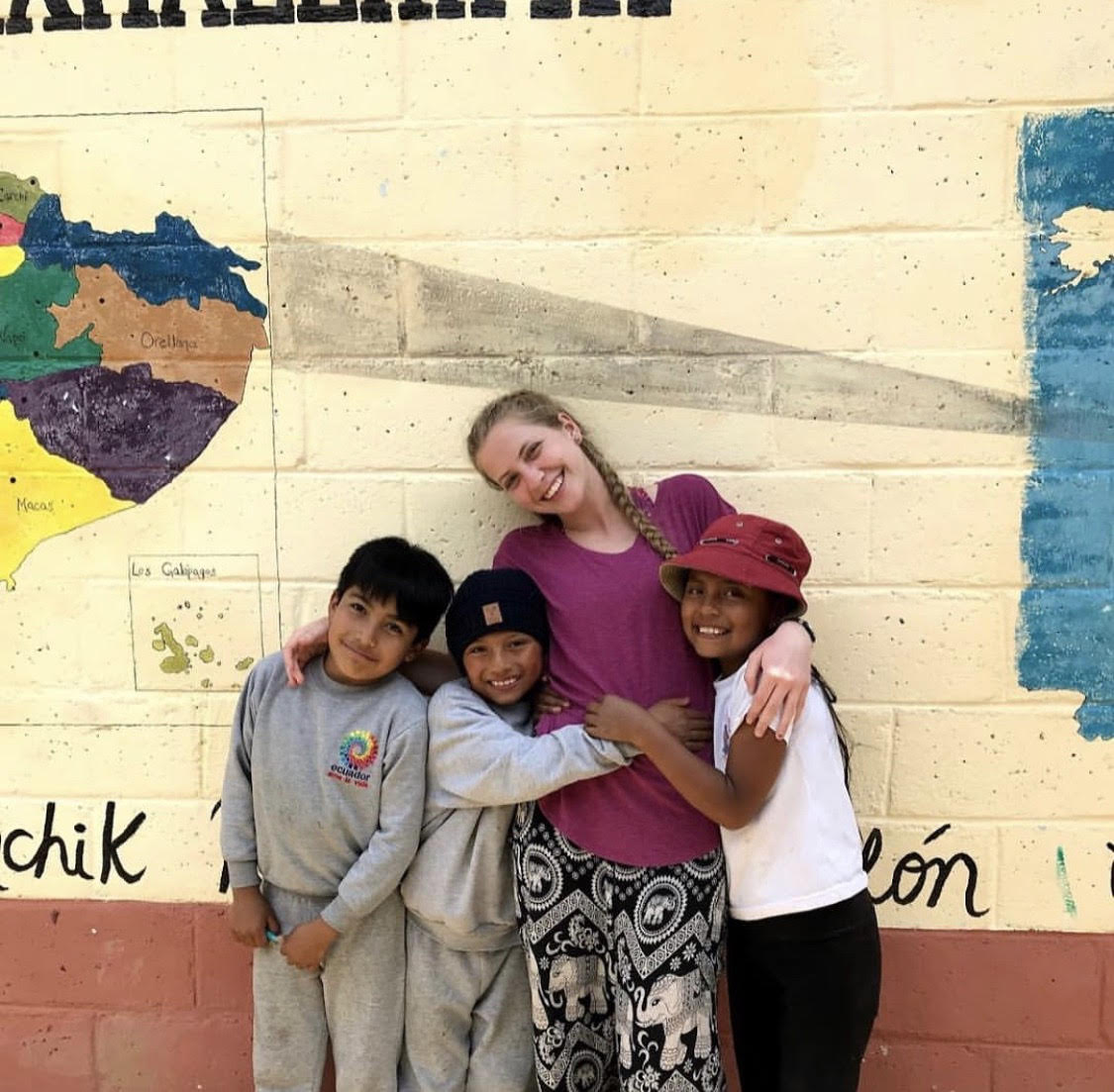
Your group can work with students at a local school, or several schools that Tandana has long-term relationships with. You can teach ESL classes, lead arts and crafts activities, exchange games with local children, and read books together. You may be able to take the local students on an exciting field trip, such as to a hot springs or a science museum. This kind of work is, of course, dependent on the academic calendar in Ecuador, so be sure to check with us about dates. Often it works best to combine working with students with improving the infrastructure at the school (see above section).

"Do it! It’s challenging but so rewarding and fun and humbling. I’m so happy I ended up opening my mind to the challenges, and I feel I took away so much!"

-- Emma, student

Program Examples


 Sample Custom Group Volunteer Programs


External link opens in new tab or windowThe Traveling School, a study abroad program for high school girls from all over the United States, spends a week each spring in the community of Agualongo. The teachers and students stay with host families and help the citizens with projects such as painting the community center or replacing inadequate drinking water pipes. One year, they were amazed to be welcomed with huge flower arches, a special dinner, music, and dancing. As an experience of learning, cross-cultural friendship, and human connection, this week is amazing. Though the group travels for three and a half months in the Andean countries, their time in Agualongo remains a huge highlight of the journey.


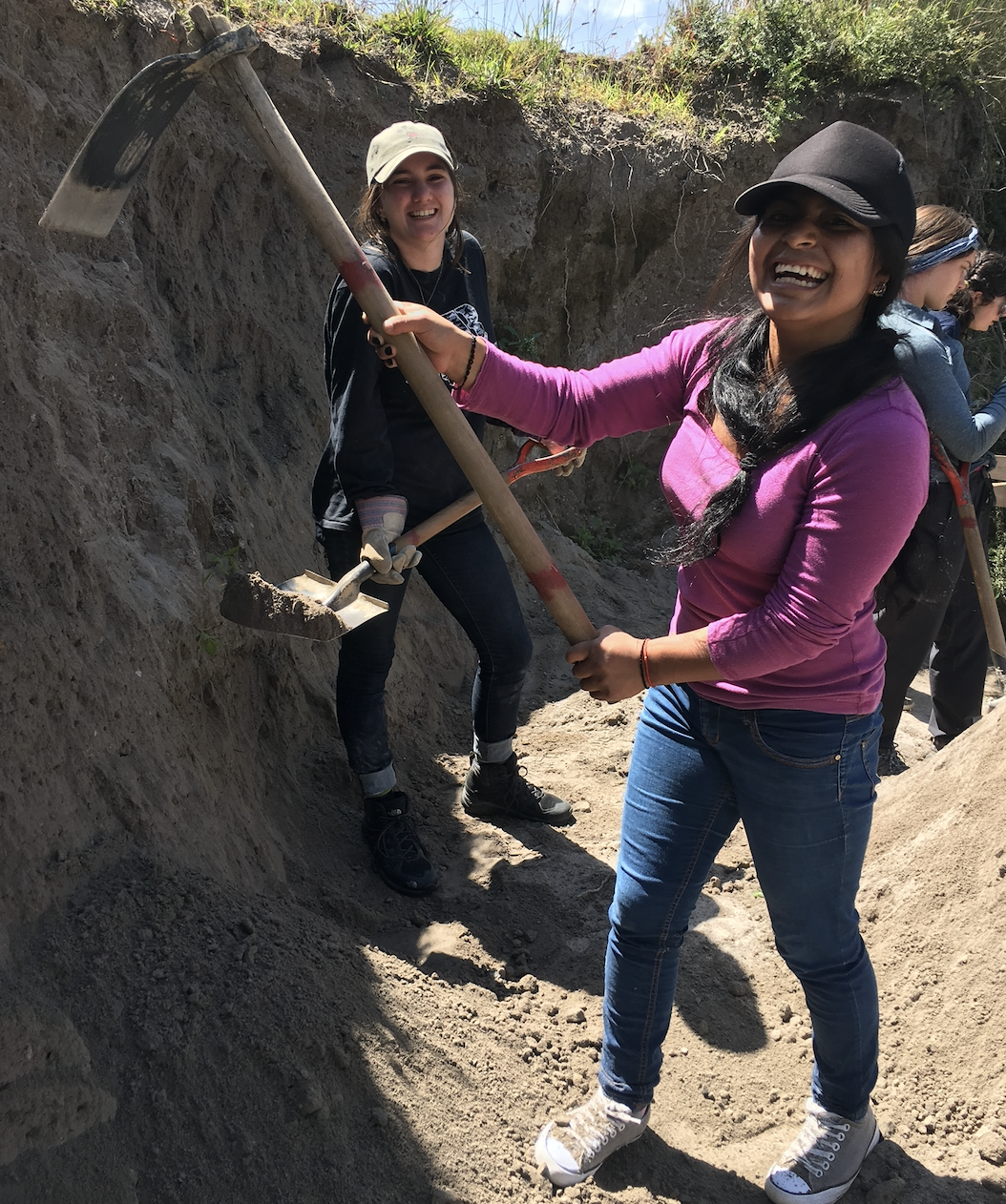
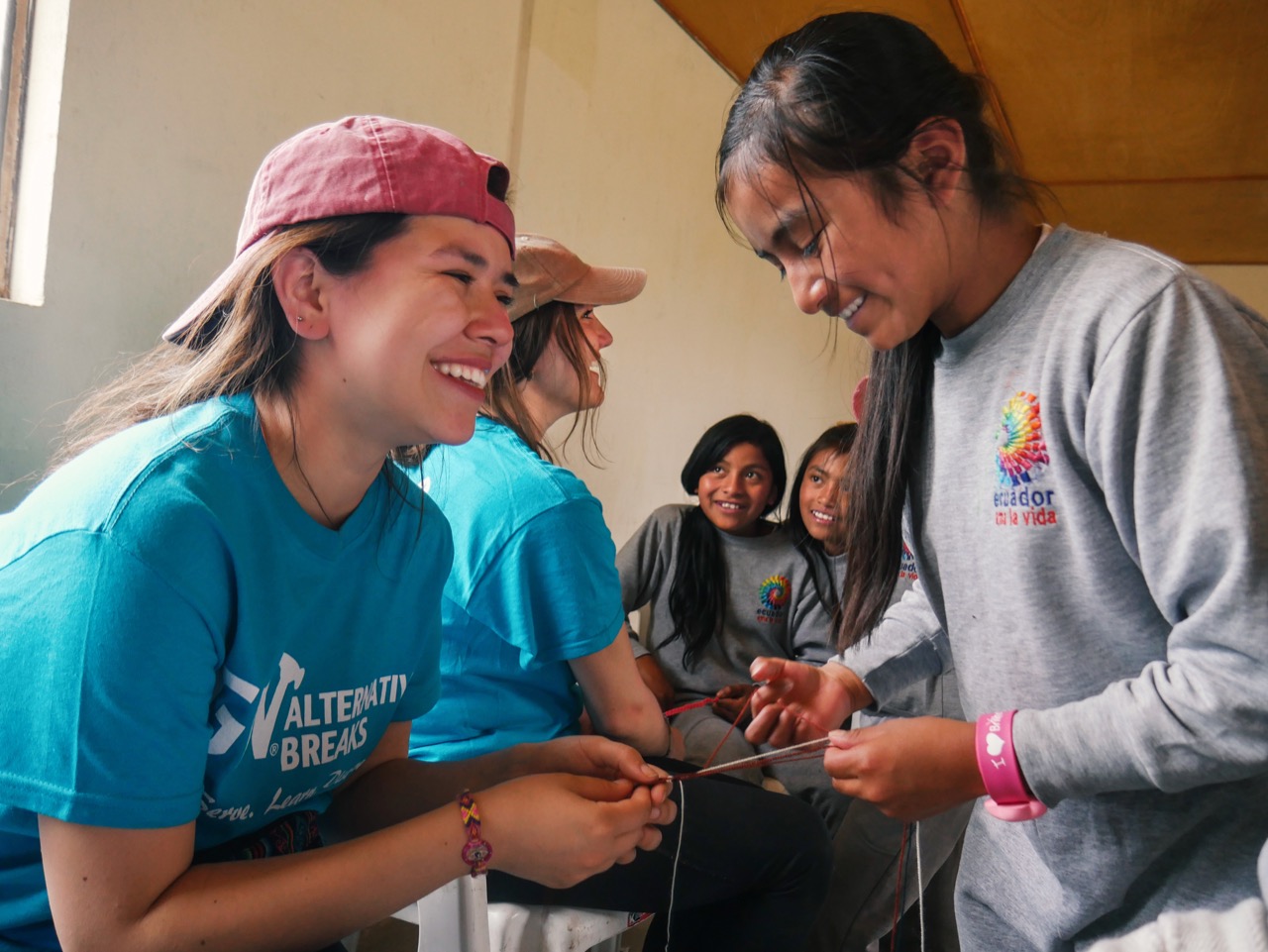
Northeastern University offers an Alternative Spring Break trip, which Tandana organizes with a community in Quichinche. On one such trip, a ceremony featuring a communal lunch, traditional dances, demonstrations of traditional dress, and "ollas encantadas" a local version of piñatas, welcomed the group to the community. During the week, they hauled sand and gravel, dug a trench, carried bricks, and helped community members build a water filtration tank to provide clean drinking water for the village. They also helped at a community-owned native tree nursery, visited both traditional and modern weavers, baked bread with community members, and visited Cuicocha Lake. The group's excitement about their experience has led them to recommend traveling with Tandana to their friends back in Boston.


A group of Ohio Master Gardeners keeps coming back to work with Tandana in Ecuador. They have worked alongside Matias Perugachi in the UCINQUI tree nursery in Achupallas. Matias, our good friend and sole employee of the nursery, was blown away by their enthusiasm and how much they accomplished. In addition to improving the tree nursery, which benefits twenty-three communities, the group was also able to participate in many other gardening and cultural exchange activities, including taking a traditional cooking class and exploring a native medicinal plant garden. One trip highlight was planting 200 trees with 46 students at the Quinchinche school and teaching some fun lessons on the importance of the environment.

Technology Services Corps brought a group of students to Ecuador for two-weeks in order to upgrade computer labs in two different communities. The group spent a week living and working at the Ulpiano Navarro School in the community of Quichinche. Work included installation of twenty desktop computers, one document camera, and the Rachel+ software system. Throughout the week, the participants engaged in cultural activities such as the interactive Kichwa museum, salsa lessons, and a visit to the Afro-Ecuadorian community of Juncal. The next week, the group moved into homestays in the community of Tangali. They spent mornings in the local school installing 29 laptops and the Rachel+ system and then enjoyed exploring the community and connecting with their new Ecuadorian families through activities such as bread baking.


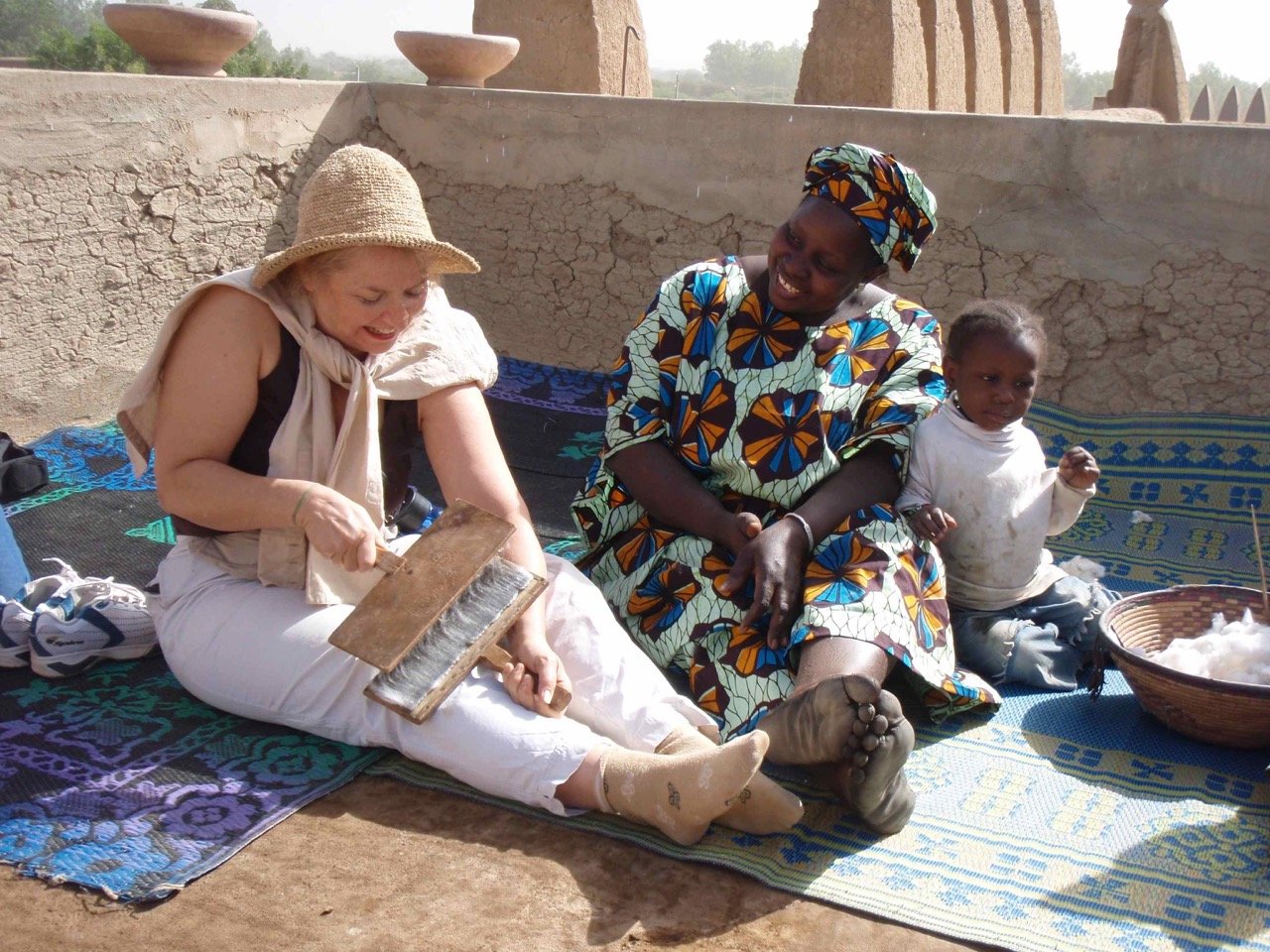
External link opens in new tab or windowWomen Worldwide and Adventures in Rock organized a group of travelers who wanted to give back and then kick back in Mali. In between travels through the country and enjoying the music of the Festival in the Desert, this group worked at the Kori-Maounde primary school. Volunteers helped the villagers and children plant 54 fruit trees, dig a trench, lay a pipe, and create a watering basin in the school garden. They also found time to play frisbee with the kids, teach them "head, shoulders, knees, and toes," and lead them with call-and-response to a water hole to bring water for the trees. You can read a great description of their experience at External link opens in new tab or windowCraig and Steph's Vacation Blog.


A woman from North Carolina recruited thirteen friends to join her for a week of volunteering in two communities just outside of Otavalo, Ecuador. From mornings in Larcacunga trimming baby trees in the local native plant nursery and shoveling rocks and cement at the community center in La Banda to afternoons visiting indigenous artisans and hiking to sacred waterfalls, these women reveled in their opportunities to get to know this new place and make new friends. A highlight was learning to cook llapingachos, carne colorada, and quimbolitos, from our local friend Claudia Fuerez.


The eighth grade class from External link opens in new tab or windowHeadwaters Academy in Montana spent a week living and working with the rural community of Padre Chupa. They joined local parents in creating a school garden by preparing the soil, building a protective fence, and planting seeds. They went on hikes led by the school children to a nearby waterfall, to visit a sugar cane press, and to a ridge with a stunning view of the steep valley where the community is located. Together, the two groups of students also baked bread, built a campfire to make s'mores, and painted a sign for the school. The week concluded with a trip to the Chachimbiro hot springs where many of the students from Padre Chupa got the chance to go swimming for the first time in their lives.


The External link opens in new tab or windowREACH mentoring and youth development program from Santa Barbara County works with Tandana in Ecuador as a part of their cumulative experience at the end of their program. They stay with host families in a community for two and a half weeks while contributing to community initiatives, such as building a retention wall for a water tank and repairing the community’s water pipes, painting and installing a floor in a new community center, and carving out a new and safer footpath to the nearest bus stop. REACH also provided a generous donation for the community’s dream of enlarging and improving the local sports field. In addition to all of the work, REACH students enjoy adventures such as waterfall and volcano crater hikes, cooking classes of traditional Kichwa cuisine, weaving and salsa dancing classes, and a bonfire party on July 4th, where the students can share their culture with the entire community. It is a full-throttle experience of building new relationships and also strengthening those that have been 3 years in the making through the REACH program.

FAQ


 Custom Group Volunteer Program Frequently Asked Questions


Do I need vaccinations to go on this trip?


For Ecuador, the CDC recommends vaccinations against Hepatitis A, typhoid, tetanus-diphtheria and measles. Yellow fever is recommended for other parts of Ecuador but not necessary in the mountains where we work. Vaccinations are up to your own discretion.

What are the accommodations like?


There are several options, depending on your budget and the kind of experience you'd like to have. For full cultural immersion, you can stay with host families within the communities where we'll work, or if you'd like to stay together, your group can "camp" in a community center. Sometimes groups prefer to stay in the nearby town of Otavalo, in a cozy hostel or a lodge. We continually evaluate our lodging choices to ensure that they meet the needs of our participants, but our recommendation is to stay in the community if your group is up for it.


Will my electronic devices work in Ecuador?


Yes, Ecuador uses the same electrical current and plugs that the United States does, so you don't need a special adaptor.

 What kind of clothing, etc. should I pack?

 
We'll send you a "welcome" packet a month or so before your departure, which includes a suggested packing list.

What if I don't speak Spanish?


It's not necessary to speak Spanish in order to do good work and have a good time on this trip. You'll learn the important basics during orientation, and Tandana staff will be able to translate for you.

 I've heard about the Zika virus. Should I be concerned for my health?


The Zika virus is carried by mosquitoes that generally live below 1200 meters, but Tandana works at much higher elevations--typically above 2000 meters. So the chances of encountering a Zika-carrying mosquito while with Tandana is quite low. Moreover, the main concern for Zika is the damage it can do to fetuses if the mother contracts the virus; for others, the clinical symptoms are mild. Nevertheless, if you plan to travel in lower elevations before or after your time with us, you might want to take precautions with an insect repellant approved by the EPA.

 Who leads the volunteers? Who do I go to if I need help?


All of Tandana's volunteer programs are led by a Group Coordinator that has typically first worked with Tandana as a volunteer or intern (or if not has been recommended by someone we trust and then carefully vetted by us). You can find bios for many of our past Group Coordinators here. Group Coordinators have first-hand knowledge of the region, speak both Spanish and English, have expertise in experiential education and group leadership, hold WFR (Wilderness First Responder) or other certifications that have prepared them to handle emergencies, and are caring and capable individuals. The Group Coordinator is usually assisted by 1 or 2 assistant coordinators, and our permanent local staff is always on hand to help with translation, activities, logistics, and anything else to make sure the volunteers' experience is the best it can possibly be.


 What if I can't find the answer to my question on this FAQ page?


Please email your question to us at info [at] tandanafoundation.org, and we'll answer it as quickly as we can.
Ecuador


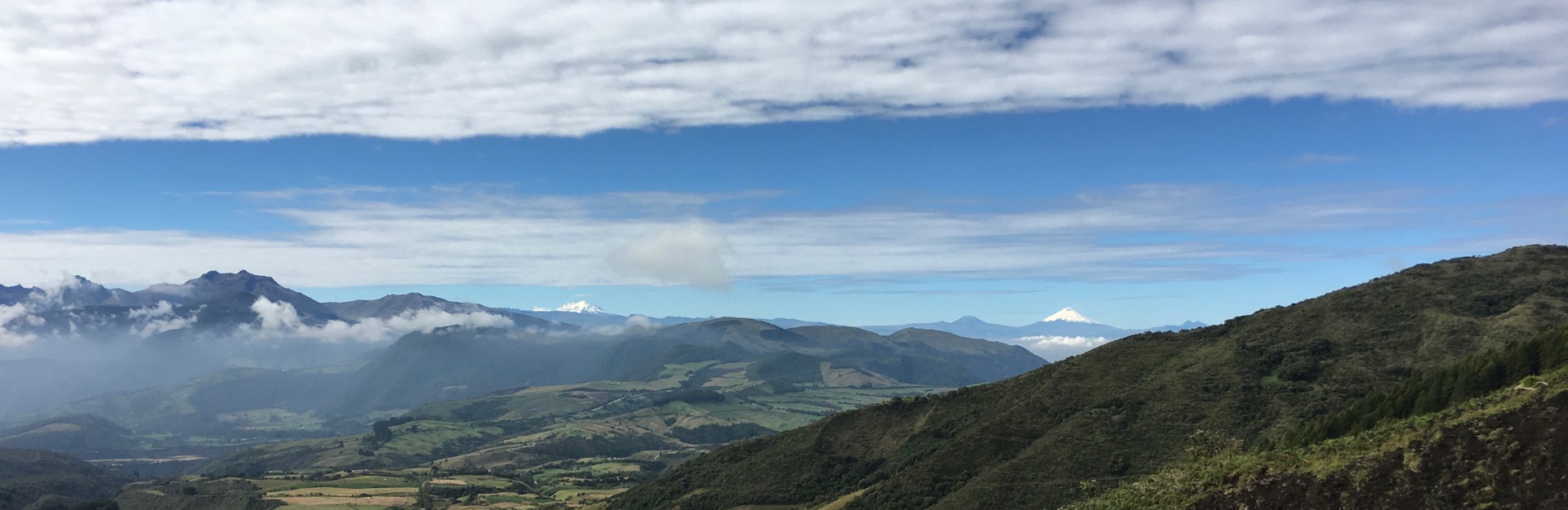
In Ecuador, we work primarily in communities of the Quichinche parish, Otavalo canton, in the Ecuadorian Sierra. Just outside the market center of Otavalo, this area is only 2 hours by bus from Quito but offers a rural atmosphere and connection to the land very different from life in the capital.  

The father and mother volcanoes, Imbabura and Cotacachi, stand guard over the valleys and hills where indigenous Otaveleño and mestizo families grow their sustenance. Diverse in their customs, residents are united by their need to work together to improve their communities. They farm corn, potatoes, beans, and other crops, weave textiles and baskets, and commute to Otavalo for secondary education or formal-sector jobs. The Kichwa Otavalo are one of Ecuador's indigenous groups most successful at maintaining their cultural identity and traditions. Speaking both Kichwa and Spanish, they have learned to negotiate the power structures of their nation while retaining pride in their indigenous heritage. The people of Quichinche work hard and also love to celebrate. In general, they are very welcoming to visitors and enjoy sharing food, joking around, and discussing their culture with guests. The landscape that surrounds their home, meanwhile, offers high lakes, waterfalls, and volcanic peaks to inspire a sense of nature's grandeur. The region's 9000-ft. elevation and proximity to the equator combine to give it consistently comfortable temperatures (50's to 80's) all year round.

Scroll down through the story map below to learn about the communities we partner with and see their locations on a map.


Stories


Looking at life in a new way

Thirteen students, including two team leaders, and a university representative from Northeastern University joined the Tandana Foundation in highland Ecuador for a week-long service project earlier this year. To earn a spot on the trip, the NU students, who were all first-year students involved in a year-long service project in Boston, had to complete a competitive application process. While in Ecuador with Tandana, the passionate student group worked with community members to dig out a new water catchment system. The trip was highly successful, as much progress was made on the water system, but also on the relationships built between the NU group and local residents. Below, one student, Emily Laliberty, reflects on how the trip impacted her after returning to daily life in the United States.
More...
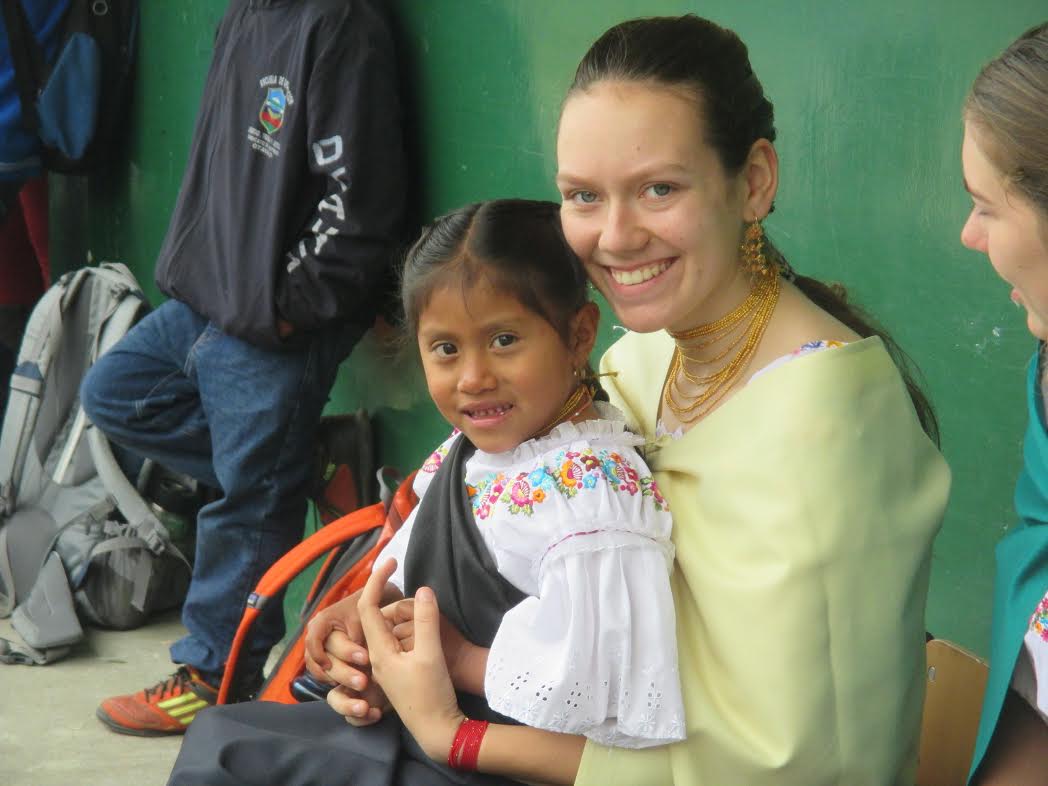
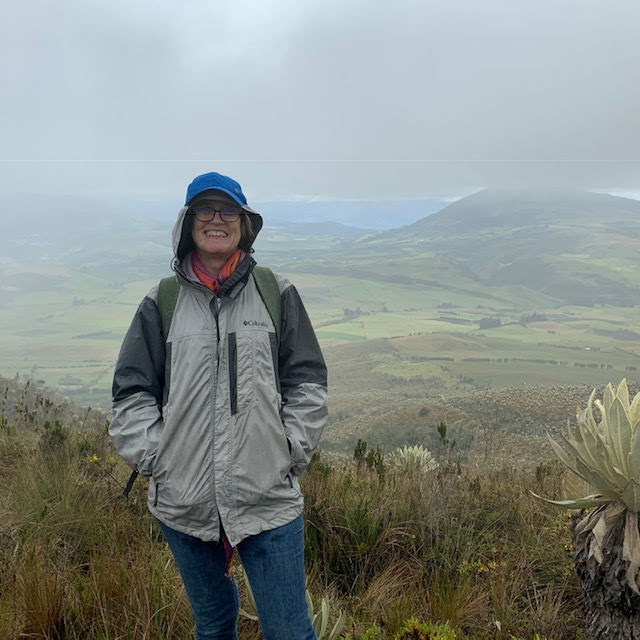
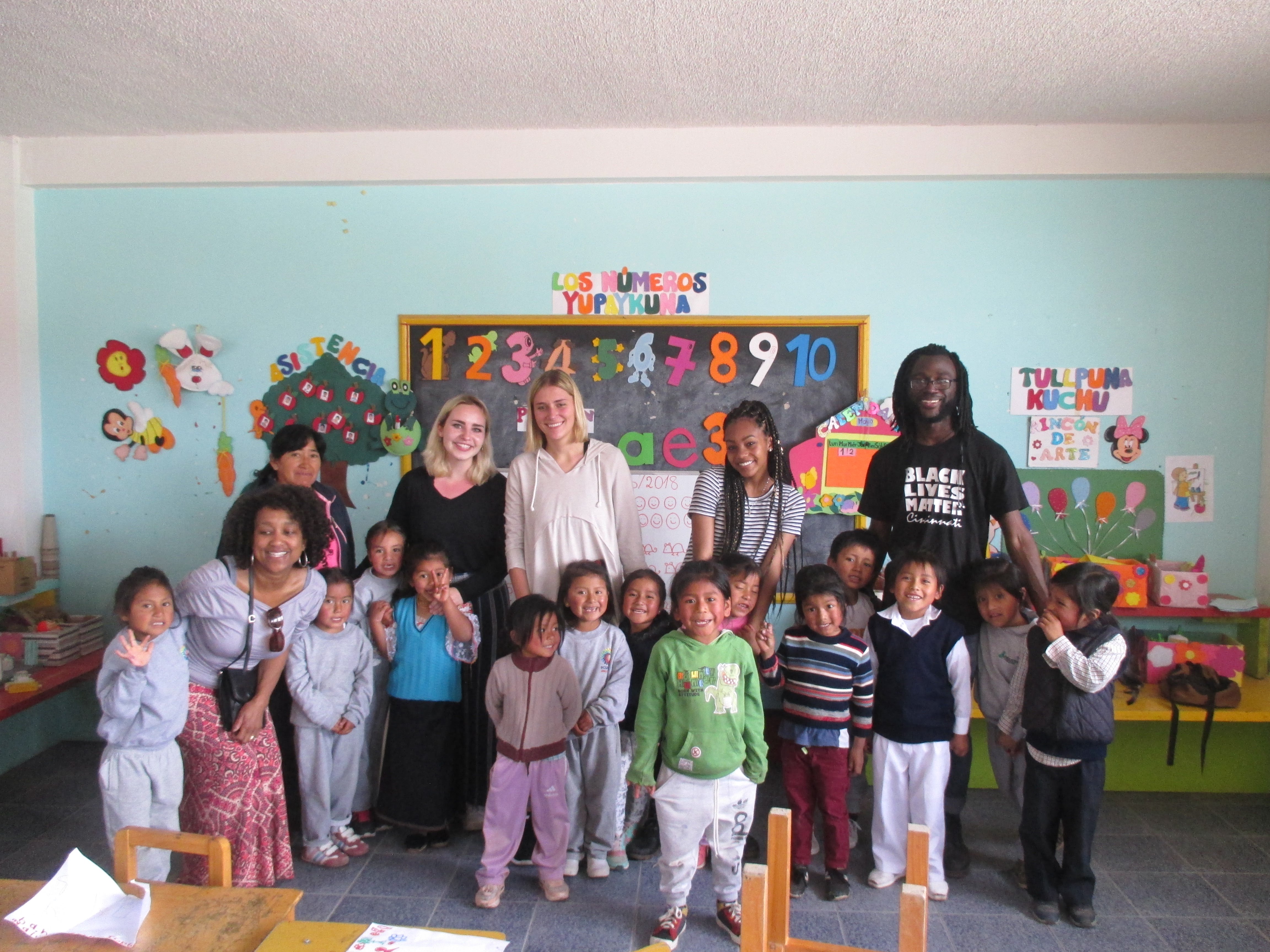
All you need is love

On my first day in my homestay, I cried a lot. When I walked into the community center in Tangali, I had a slip of paper with my host mother’s name on it. I sat down in a chartreuse over-sized chair, my teal North Face and Nike shoes feeling tremendously out of place in this small community. I stood up when it was my turn to introduce myself, blankly staring at the room of people in front of me who didn’t speak my language. When my assigned host family was not there, and I had to be assigned a new one, I started to cry. I was afraid. I was afraid of spending a month in a new country, afraid of eating strange food, and afraid of not knowing who to talk to. I had no reason to be afraid.
More...

It's all about the relationships

Volunteer trips can take many forms. Sometimes volunteers make lasting connections with local people, and other times they leave without building a lasting relationship. As Karen Graves explains below, the volunteer trips organized by the Tandana Foundation fall into the first category. In the following blog, Graves shares her experience volunteering in Ecuador with Tandana, where she developed many friendships working alongside community members, as part of the Ohio Master Gardener trip this year.
More...

Language Barriers and Tandana

My name is Joseph White and I’m a student going into my fourth year at the University of Cincinnati. I’m majoring in Psychology and minoring in Africana Studies and Sociology. I’m the first in my family to attend college, so a lot of my time at the university has been spent building a network of people that are already doing the things that I want to do. My success begins on a small scale. A college education is not the standard in my family.
More...

Kindness and generosity in Ecuador

The following post was written by Chloe Willeford, a high school student who recently returned from a volunteer trip with the Tandana Foundation in Ecuador. One month ago, my group of eight other students, three leaders, and I touched down in Quito, Ecuador, to begin a three-week service trip helping Agualongo de Quichinche, a community outside of Otavalo. Little did I know that the trip would teach me and help me grow just as much, if not more, as it helped Agualongo.
More...

Volunteer Wants to Have a Home Everywhere She Goes

In ninth grade I became interested in Technology Services Corps, a non profit organization in Seattle that fixes up used computers then goes to underserved areas around the world to install them in schools. That same summer I went on a trip to Guatemala and loved it. This year, TSC decided to team up with Tandana for many different reasons including that we’d only gone to Ecuador once before in 2009 and didn’t know the area well enough. I was excited to be going to South America, to stay with a host family, to visit the equator, to visit the city of Quito, but I never thought about the in between bits—the middle part of encountering such things that I never expected.
More...

A Young Volunteer Reports on her Ecuador Trip with Ohio State Master Gardeners

Hi! My name is Nola Killpack and I am twelve years old. I just spent a week in Highland Ecuador with a small group of Master Gardeners from Ohio and Michigan. I am not a Master Gardener, but my mom invited me to come along as a volunteer. This service trip through the Tandana Foundation allowed us to be in communities, not as tourists but as friends and work as partners. I never would have guessed that this is how I would spend the third week of February! Before we left I had no idea what to expect.
More...


The Tandana Foundation Nonprofit Overview and Reviews on GreatNonprofits

External link opens in new tab or windowExternal link opens in new tab or window


  Copyright 2006-2026, All Rights Reserved, The Tandana Foundation  |  501(c)(3) non-profit | EIN: 20-4748423

 2933 Lower Bellbrook Rd., Spring Valley, OH 45370  |  (937) 862-0202  | info [at] tandanafoundation.org


External link opens in new tab or window External link opens in new tab or window External link opens in new tab or window External link opens in new tab or window External link opens in new tab or window 

  • Donate
  • Contact Us
  • Diversity
  • Privacy
Powered by SiteKreator
close lightbox