The Tandana Foundation
Menu
    • External link opens in new tab or window
    • External link opens in new tab or window
  • External link opens in new tab or window
    • External link opens in new tab or window
    • External link opens in new tab or window
    • External link opens in new tab or window
    • External link opens in new tab or window
    • External link opens in new tab or window

Livelihoods


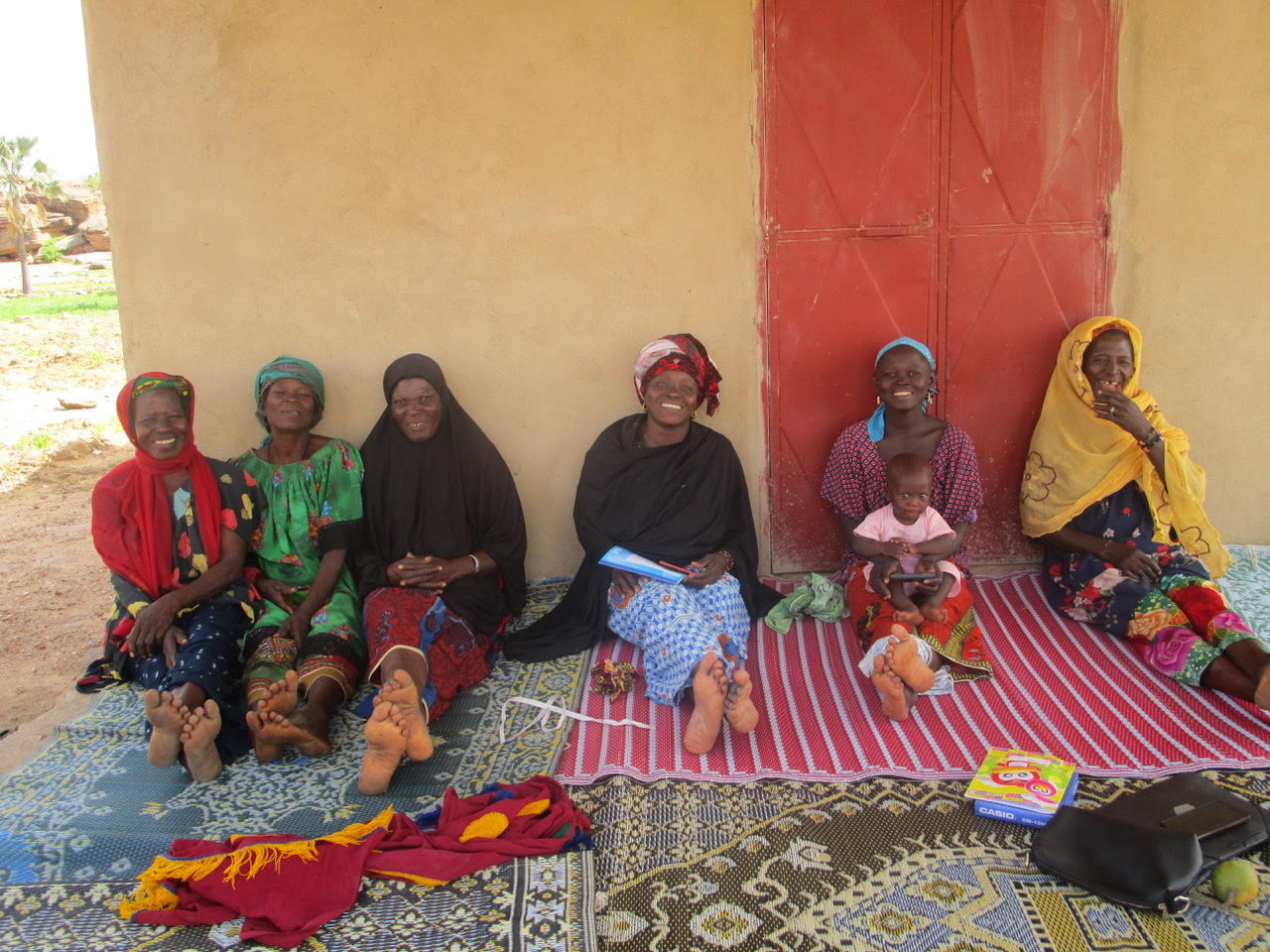
In rural villages in Mali, income is essential for providing for food and other household needs, and yet employment opportunities are extremely scarce. Community members become entrepreneurs, creating their own businesses and creatively finding ways to earn money by filling the needs of those around them. Some community members and groups have come up with plans for beginning or expanding their enterprises and have requested assistance with training, tools, or a revolving fund to promote the income-generating possibilities of their work. In Kansongho, for example, women asked for training in the fabrication of soap and men asked to learn carpentry skills. Also in Kansongho, women came up with the idea of creating a cotton bank, so that they could manage a stock of cotton for all village women to transform as a way of earning income, and now women in several other communities have followed their example. In Yarou Plateau, women expressed the need for credit to expand their micro-businesses, so Tandana brought the Savings for Change program to their village, training women who have joined the savings groups to save and make use of loans from their own group's capital.
Cotton Banks


 Kansongho, Mali

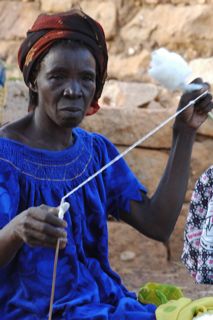
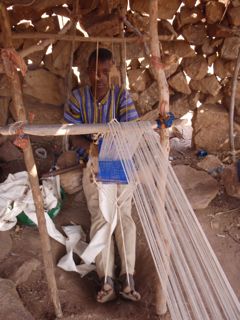
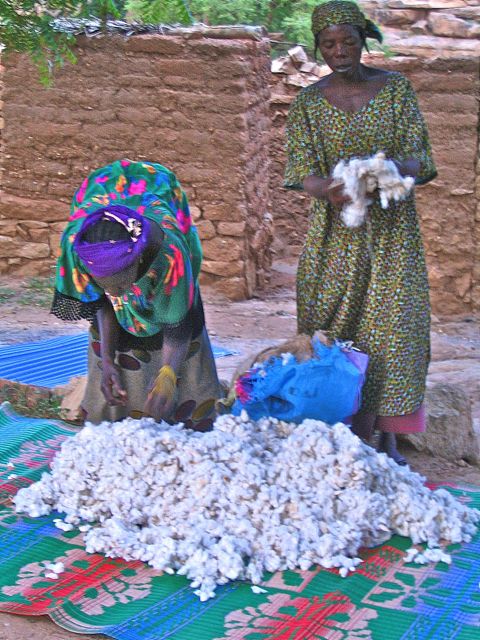
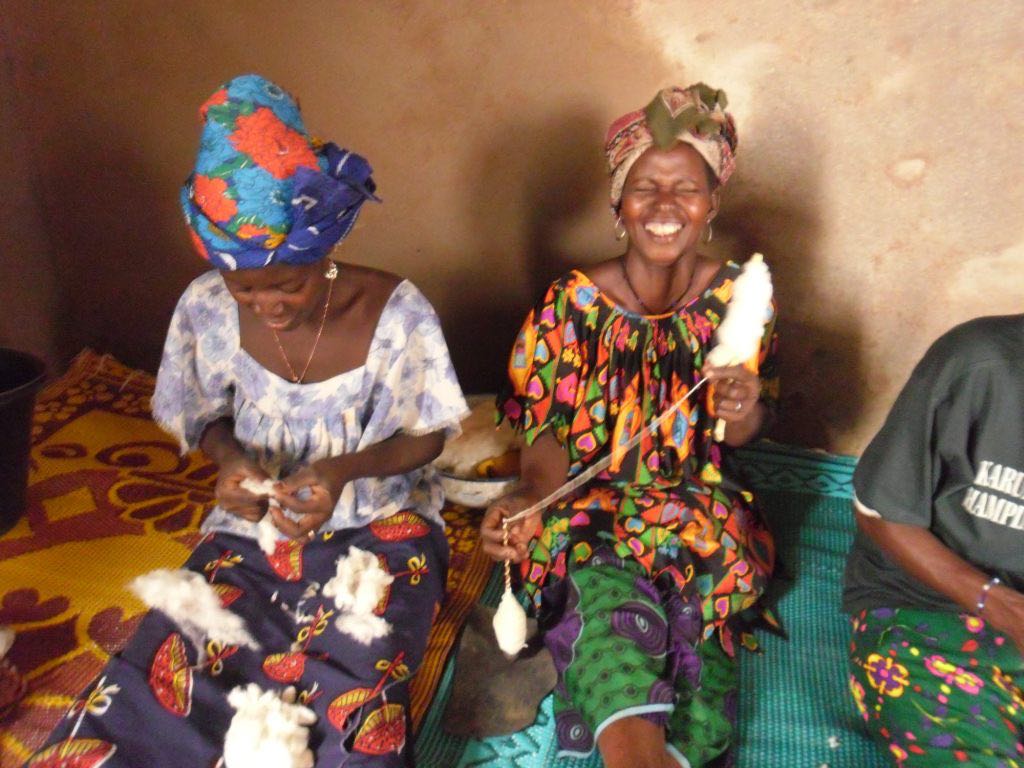
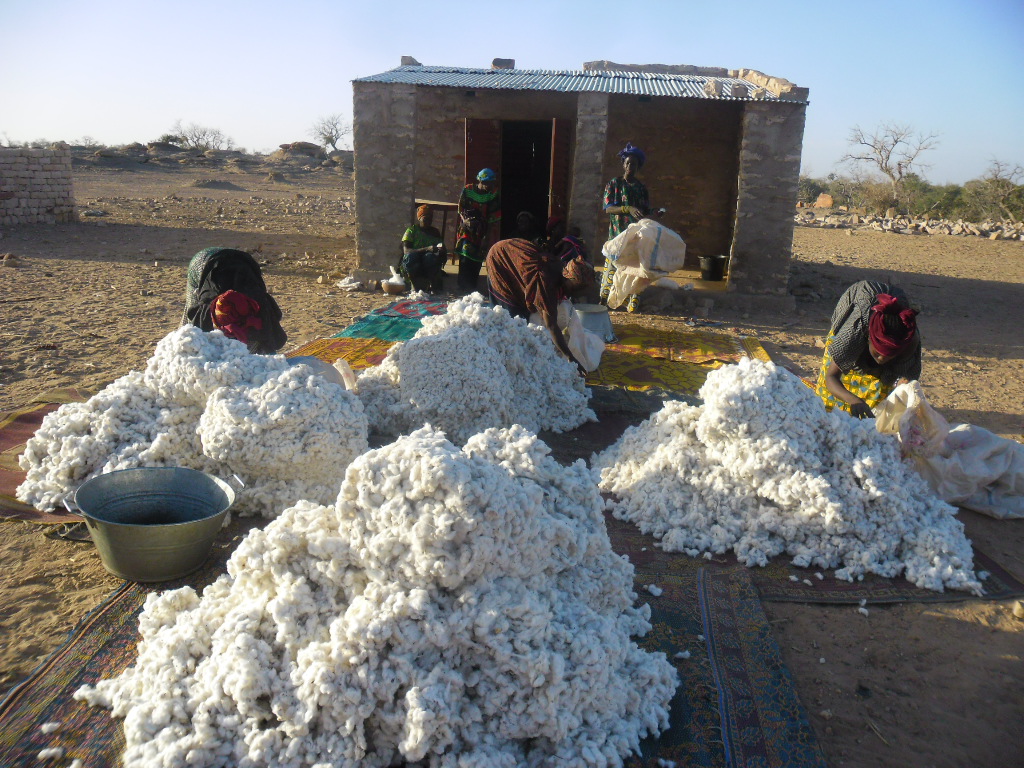
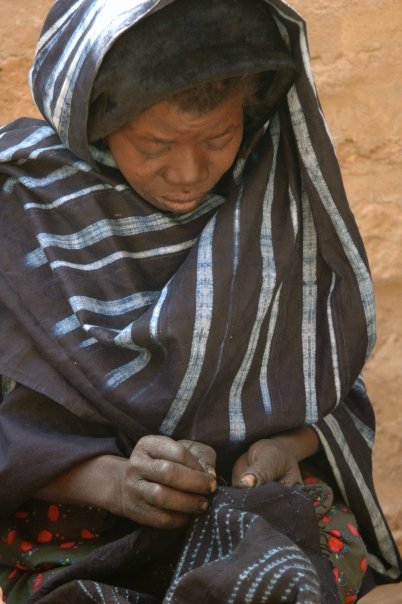
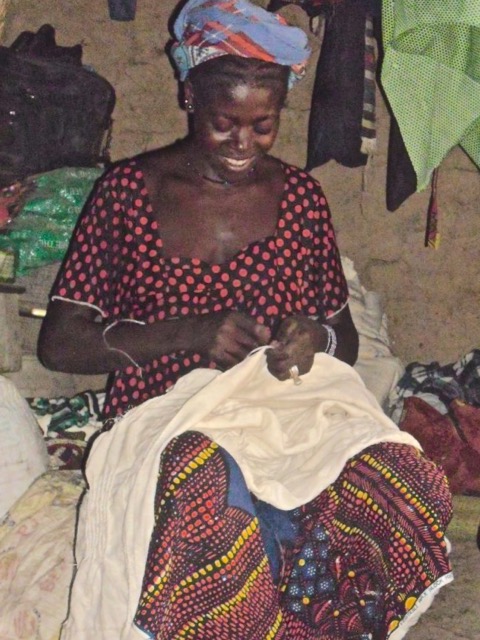
The women of Kansongho buy raw cotton grown in other parts of Mali and transform it to earn income. They pick out the seeds, card, and spin it, then hire men to weave it into strips of cloth. Then, they sew the strips together into wider cloths and sell it to a neighboring village for indigo dying. Tired of sporadic availability in the nearby market, exorbitant prices and credit policies, and vagaries in quality, the women of Kansongho decided to create their own cotton bank in their village. With the help of The Tandana Foundation, they purchased a large stock of cotton in 2010 and created a committee to manage it. After receiving training in how to manage the stock and keep records, the committee divided the stock among all the women who wanted to work with cotton, noting how much each woman would owe for the cotton once she had sold the cloth made from it. With help from local men and our 2011 Mali Volunteer Vacation volunteers, they also built a storehouse to keep the cotton safe. Each year, they use proceeds from the previous year's sales to restock the cotton bank.


Sal-Dimi, Mali


Cotton is a vital resource for many women in the village of Sal-Dimi. They transform raw cotton into cloth, which they sell to indigo dyers in neighboring villages to earn income. However, for a number of reasons cotton is not always available. Women from small villages must travel to larger market towns to buy cotton. When it is available, they are often forced to buy it at high prices and can't be sure of its quality.


Tired of these struggles, women in Sal-Dimi decided to set up their own cotton bank and asked Tandana to help. Tandana purchased a large stock of cotton for each cotton bank. A committee of women, selected by the assembly of all women in each village, manages the stock and keeps records. Any woman in the village can purchase the cotton she needs on credit, and the committee records how much each woman owes. Once the participants have sold the cloth, they repay the money they owe to the cotton bank. The committee uses this fund to buy the cotton stock for the following year. This process continues year after year. Having the cotton banks in their villages means women have access to cotton year-round at an affordable price.  


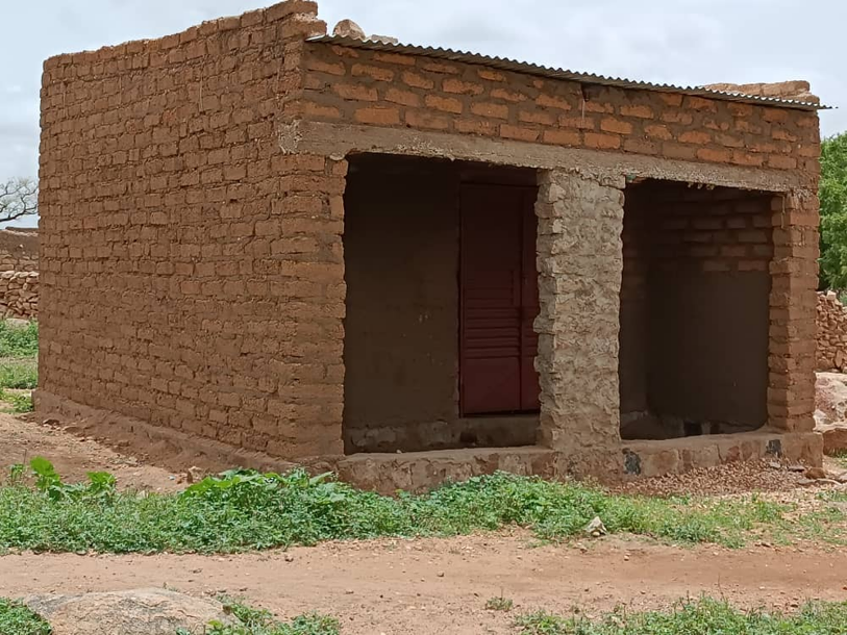
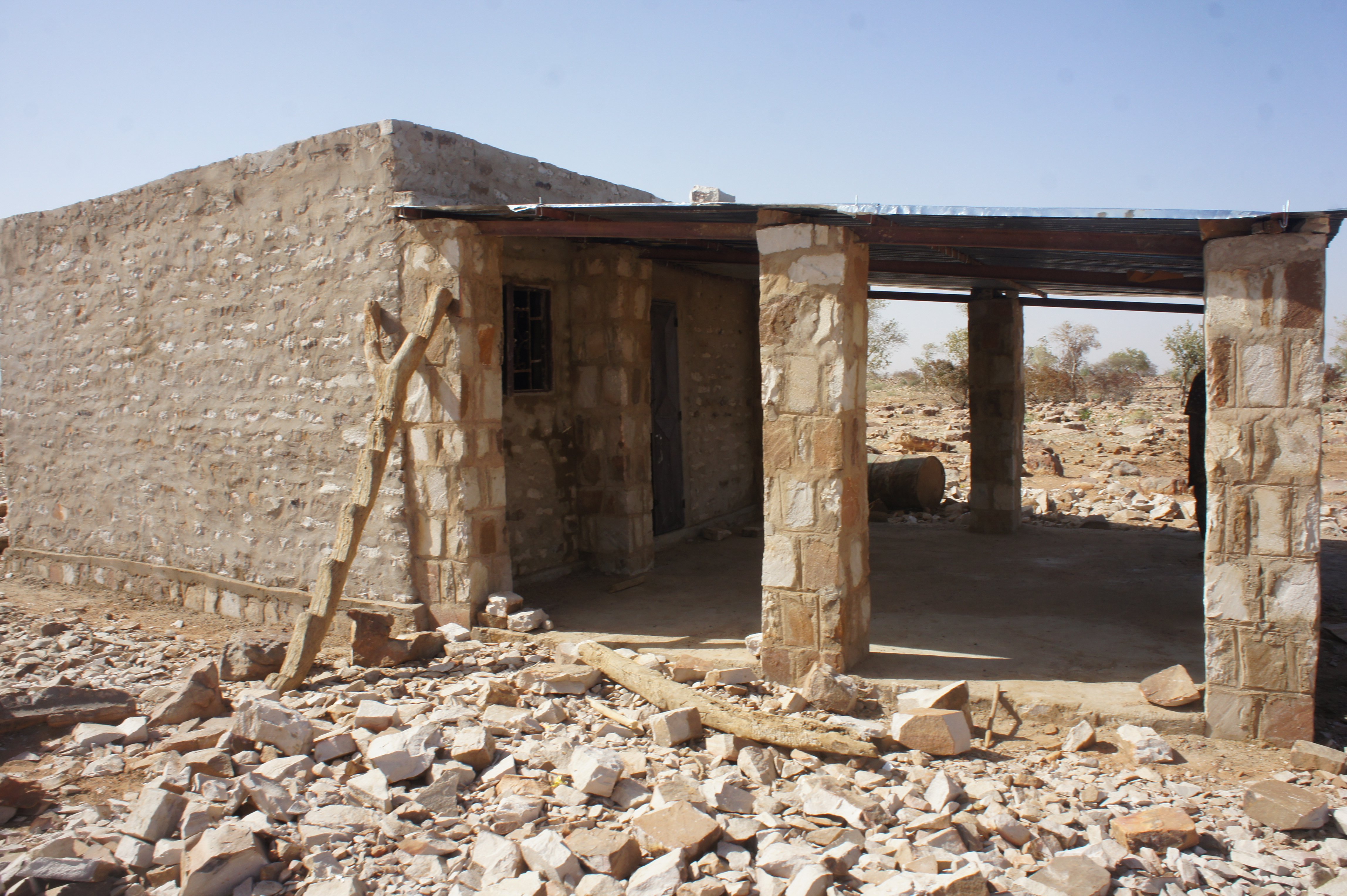
Each cotton bank also has a storehouse, which serves as a secure place to store cotton as well as a gathering place where women can come together to work their cotton, share ideas, have meetings, and organize other activities. In Sal-Dimi, community members and a local contractor built a storehouse and shade hangar for the cotton bank with Tandana support.  


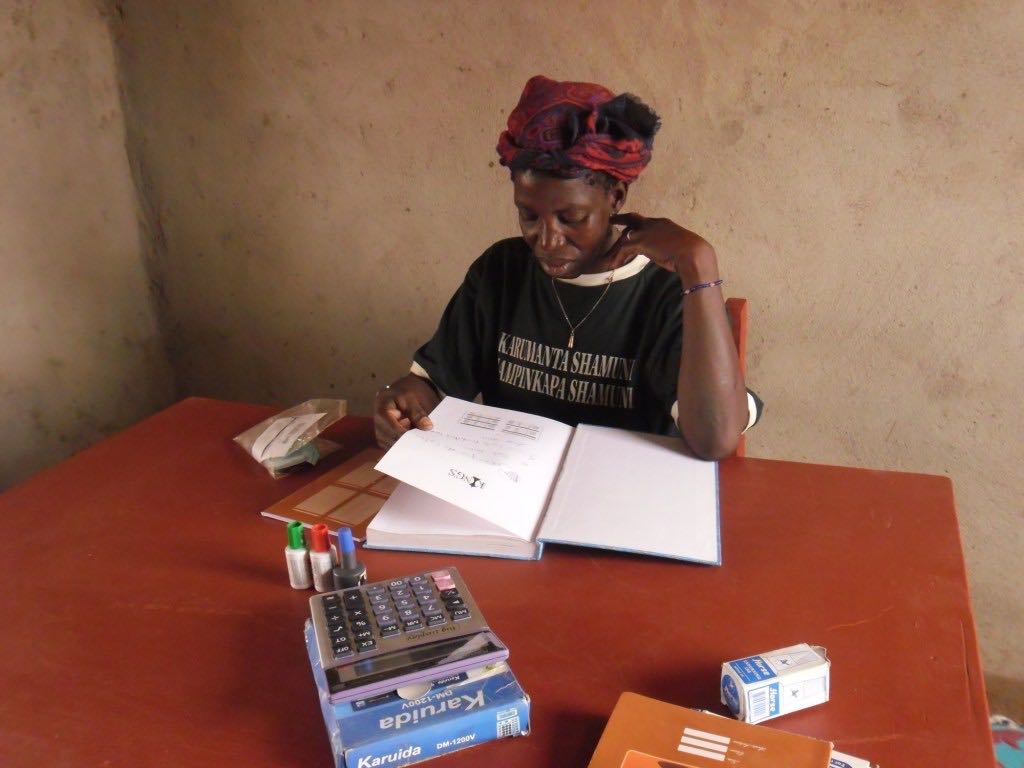
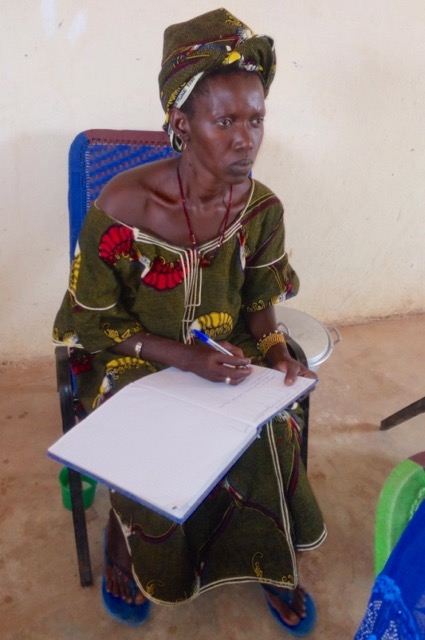
The management committee is made up of 8 members, including a president, a vice president, an accounts secretary, a treasurer, a sales secretary, a credit secretary, a dispute secretary, and an honorary President. The president presides over all meetings, especially meetings concerning requests for cotton. Both the accounts secretary and the treasurer are in charge of the cotton bank's funds. The accounts secretary and the sales secretary keep records on the days the cotton is distributed. They keep records of the bank's inventory, the amount of cotton distributed to each participant, and how much money each participant owes the bank. Each village has also chosen a manager with strong numeracy skills to double check records and support the secretaries in their work.


Yarou Plateau, Mali


In Yarou Plateau,  likewise, women wanted control over their own stock of cotton. So, Tandana also supported them in creating a cotton bank. There, the cotton bank is making use of a storehouse that the village previously built with Tandana support for a school lunch program that is no longer functioning.


“We are now considered as women capable of generating income, thanks to Anna and our partnership with The Tandana Foundation, which helped us start the Savings for Change Groups. This is the first organization that has supported projects designed particularly for women, with, first the Savings for Change Groups, and today, the cotton bank. Long live The Tandana Foundation and its partners! It was my dream to see the implementation of the cotton bank, which was so desired by all the women of Yarou-Plateau. Now, thanks to The Tandana Foundation and its donors, all the women have access to good quality cotton at a good price anytime in our village.”

 -- Kadia Samakan, Yarou Plateau


Dana-Guire, Mali


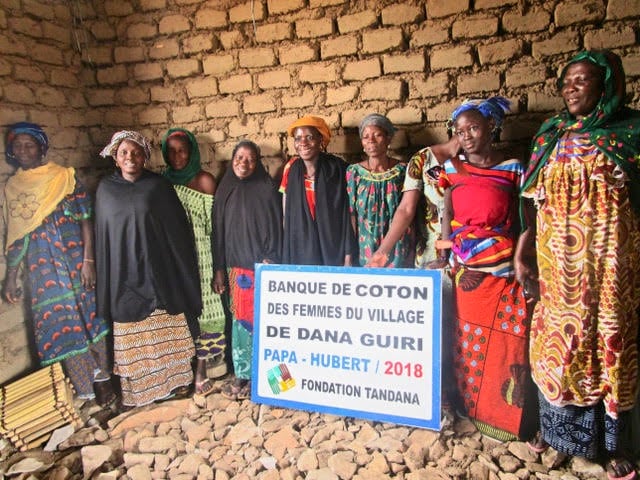
Women in Dana-Guire similarly wanted control over their own stock of cotton, especially after traders in the nearby market town of Ningari stopped selling cotton to them. Once they realized that most women from Dana-Guire could read the scales and could no longer be cheated, traders refused to sell to women from the village. Undeterred, women from Dana-Guire create their own cotton bank, which is called the Papa Hubert cotton bank to honor the generous donations of Tandana friends and family members who gave in memory of Ed “Papa” Hubert. Tandana helped with construction of the building for the cotton bank and provided training to the bank’s management committee. 


“With the cotton bank, now we can buy our cotton easily and earn money to cover our needs. . . . We manage our cotton bank. When we go to the market to buy our cotton, we know the numbers, so it’s no problem.”

–Kadidia Yanogué, Dana-Guiré, Mali


Nounou, Mali


The newly completed storehouse in Nounou will greatly benefit the cotton business of the women's association there.

Micro credit

 Savings for Change, Mali


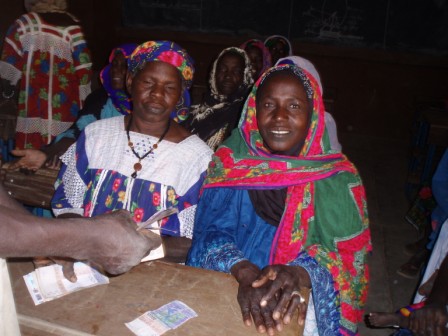
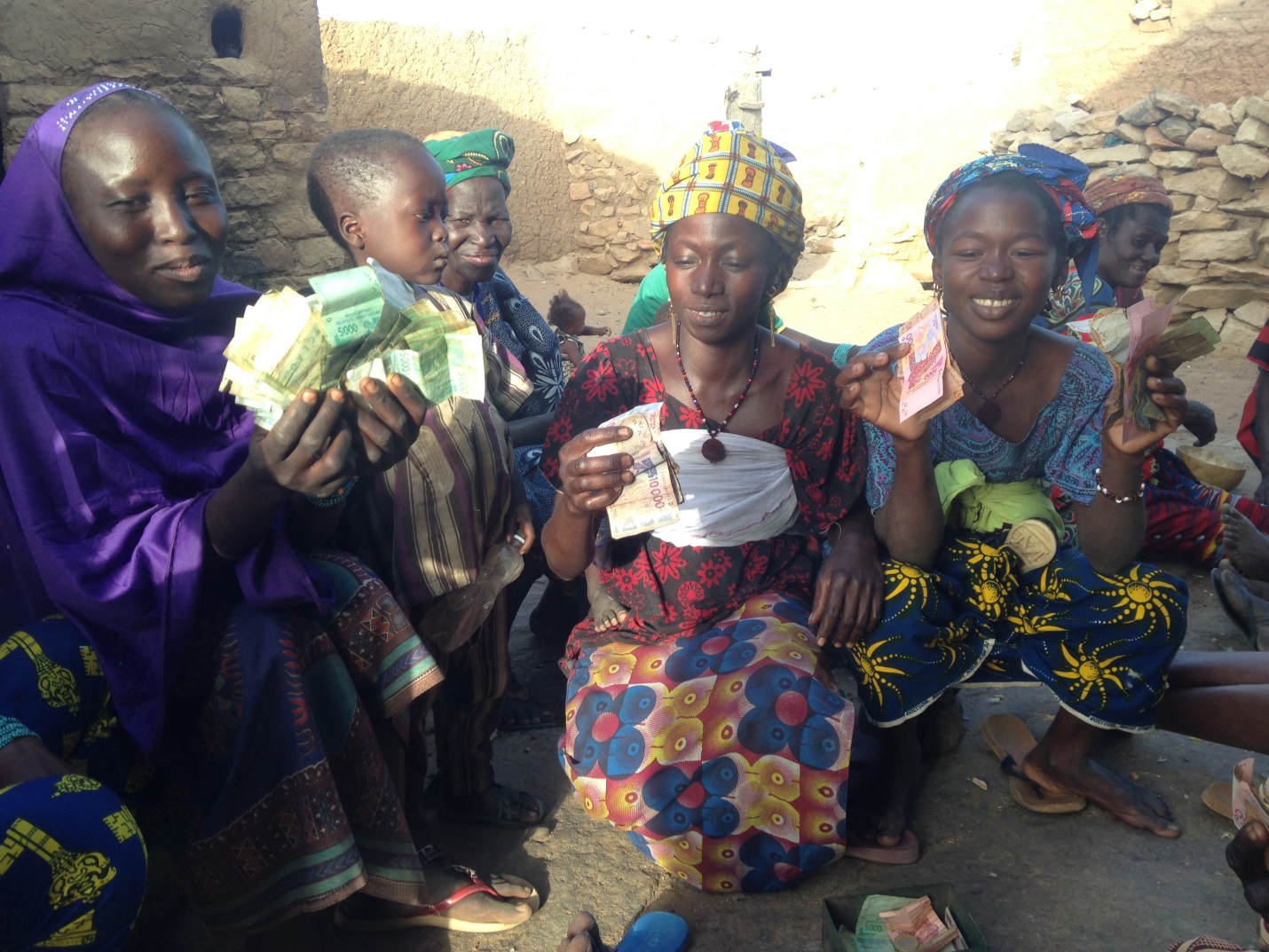
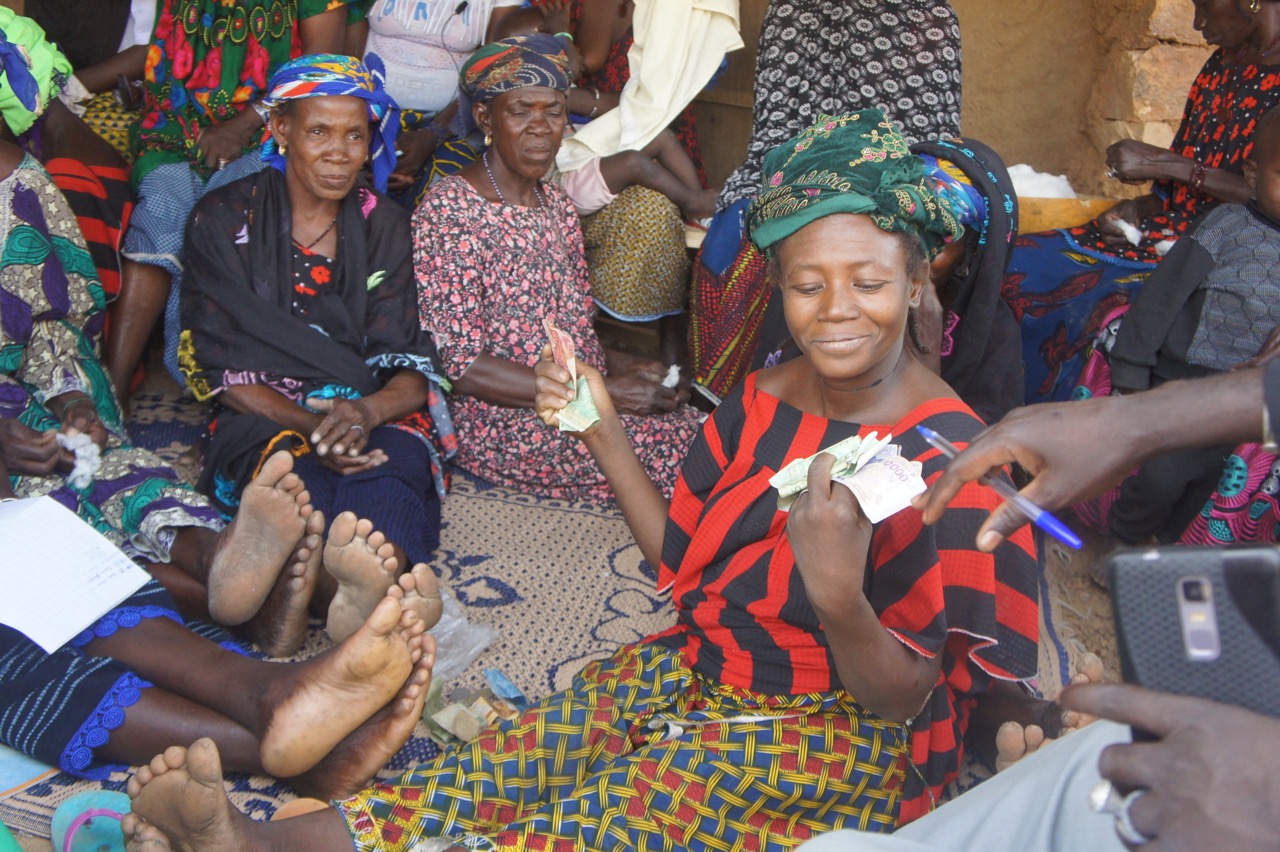
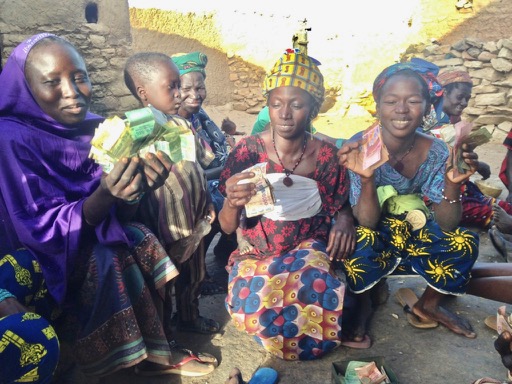
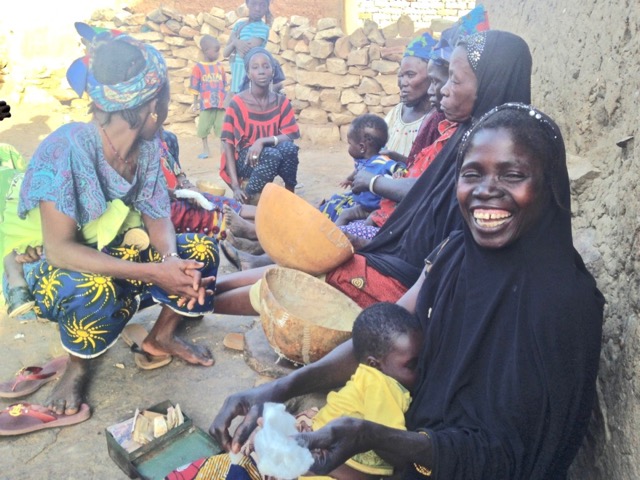
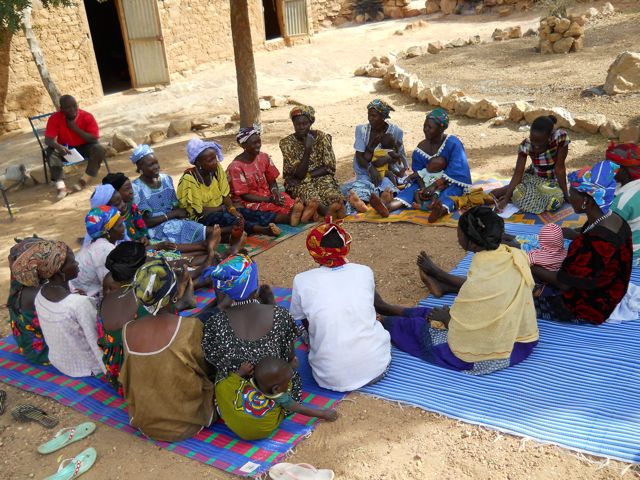
Using the Oxfam Savings for Change model, women form savings groups that meet weekly. Each week, the members of the group each put an amount of money they have decided upon into the group fund. Soon, they have built up enough money that they can make loans to the members of the group to help them start or expand micro-businesses. They repay these loans with interest set by the group. The groups make their own rules, and members memorize both the rules and the amounts of money out in credit and in their funds. At the end of the year, they share their group fund by dividing it evenly among all members. Then they start to save again. Thousands of women in Bandiagara District have benefited from this program, thanks to Tandana's programs and those of its partner, External link opens in new tab or windowVital Edge Aid. 


"There has been a lot of change in the village. With Savings for Change, at the end of the year you get your share of the fund, and you can do something with that money right away. Even if you spend it, you can start saving again for next year."

--Marie Tembiné, Kansongho, Mali


"The best result is that before they got loans from the BNDA or Soroyiriwaso. With that, you have to pay interest, . . . and when they come they take their money with interest, the women are left empty-handed. Now with Savings for Change, with their own fund, they make loans to members of the group, they do their commerce with that, and they propose the interest for their group, they make their own rules, and they do their own credit. They don’t have to take a loan from someone or from the bank. Now they don’t have problems with the bank or with NGOs."

--Moussa Timbiné, Savings for Change Trainer


Indigo Bank

Ondogou, Mali


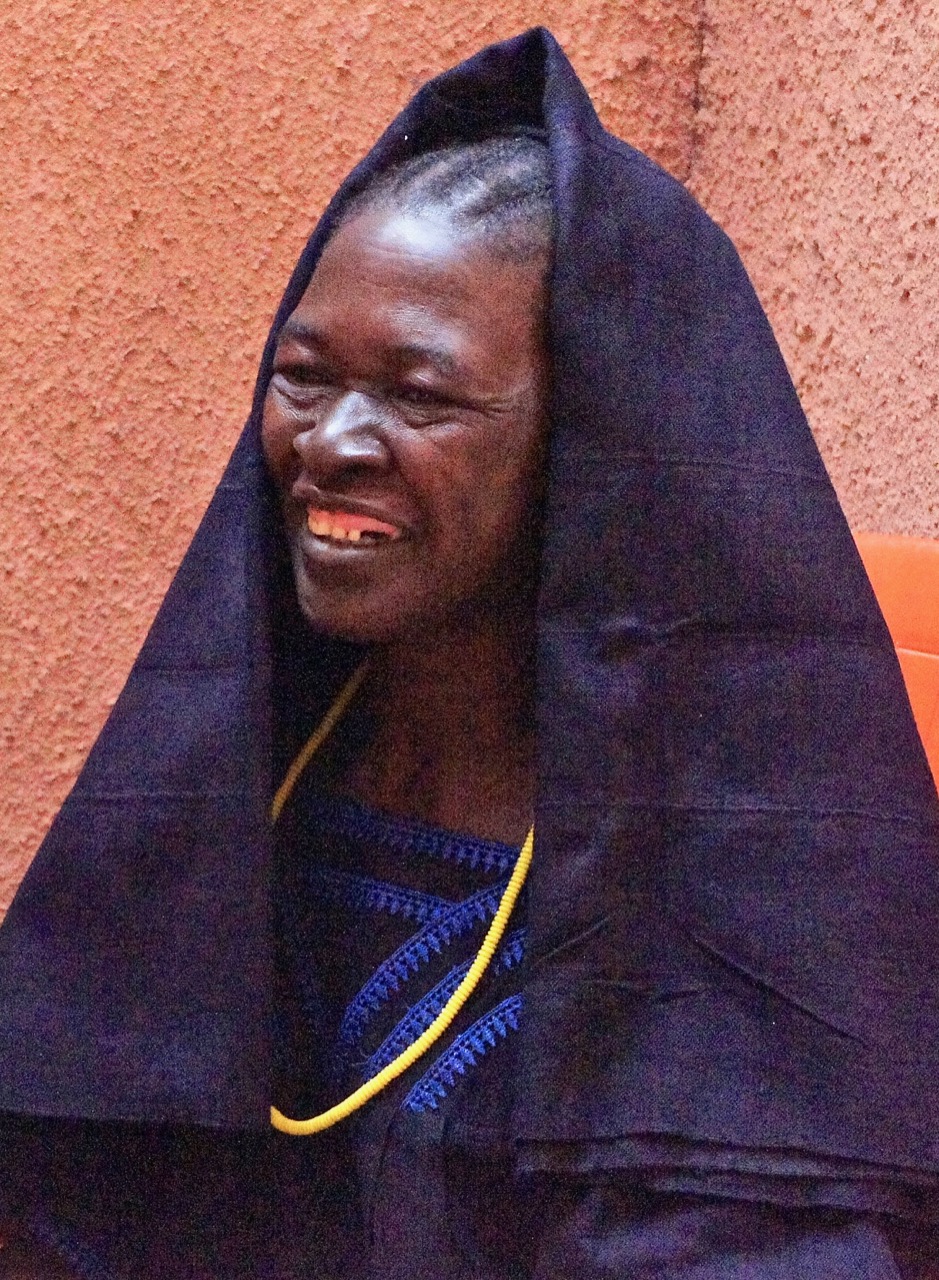
Women in Ondougou Township, Mali dye cloth with indigo as their major business, which is reserved for women of a particular heritage. They wanted to have more access to the materials they use in the dyeing process and the ability to purchase them on credit. Tandana helped them create an indigo bank to manage a revolving fund for the materials they use, similar to the cotton banks in other villages. We also provided training for them in additional dyeing techniques to help them keep traditional indigo-dyeing competitive with the more dangerous chemical dyeing-processes that are becoming popular in the region and to do their dyeing safely. They chose a committee of seven women to manage the bank, and the committee member received training in management and record-keeping. Because they had recently completed a session of Tandana's Tommo So literacy classes, the committee members were well-equipped to take on this responsibility. Due to its tremendous growth and popularity, the Ondogou Indigo Bank is being divided into three sub-banks, one for each village of Kondiougou, Guinekandah, and Indell. A new bank was also formed in Sol Djeninke. Additionally, the village of Goundoly Djeninke is building a storehouse and meeting place for the women's association's indigo dyeing business. The association won a business plan contest and received startup funding. They have been working hard expanding their business, and now they will have a safe place to store all of their dyeing supplies and also to meet and work together while sharing ideas with each other.


"I am a housewife and traditional dyer in the village of Indel in the township of Ondogou. I inherited this line of work from my parents, since in the Dogon Country, this kind of work is reserved for women of lower caste. It is forbidden to women from noble families. I have been doing this work for 34 years. But since the crisis that affected Mali, our revenue has decreased considerably and we don’t have enough money to buy the materials we need for our work. Today is a big day because, thanks to the Tandana Foundation, we can continue our activities without stopping, with the help of this indigo bank. You know that here people don’t lend us money because of our social status, we are seen as an inferior class. So this project will not just allow us to restart our activities but also to be socially and economically independent. I ask you to share my warm thanks and appreciation with the donors in the name of all the women dyers for raising us up in society, since this is the first time in Ondogou Township that a project has been undertaken for us, the traditional dyers and caste women. The Foundation is like a messenger from God whose eyes read the thoughts of people who are poor and not taken into consideration, to understand their needs and guide them in fulfilling these needs."
-- Fatoumata Kamia, Indel, Mali

Cotton and Indigo Bank in Dassi


The storehouse for the new cotton and indigo bank in Dassi was completed. The leadership committee for this new bank was formed, participated in a training session, and received their supplies. They will manage a stock of both cotton and indigo dyeing materials using a revolving fund so that these materials are always available to local women who use them to generate income. Thanks to the U.S. Embassy in Mali for supporting this project.

Skills Workshops

 Carpentry Workshop


Kansongho, Mali


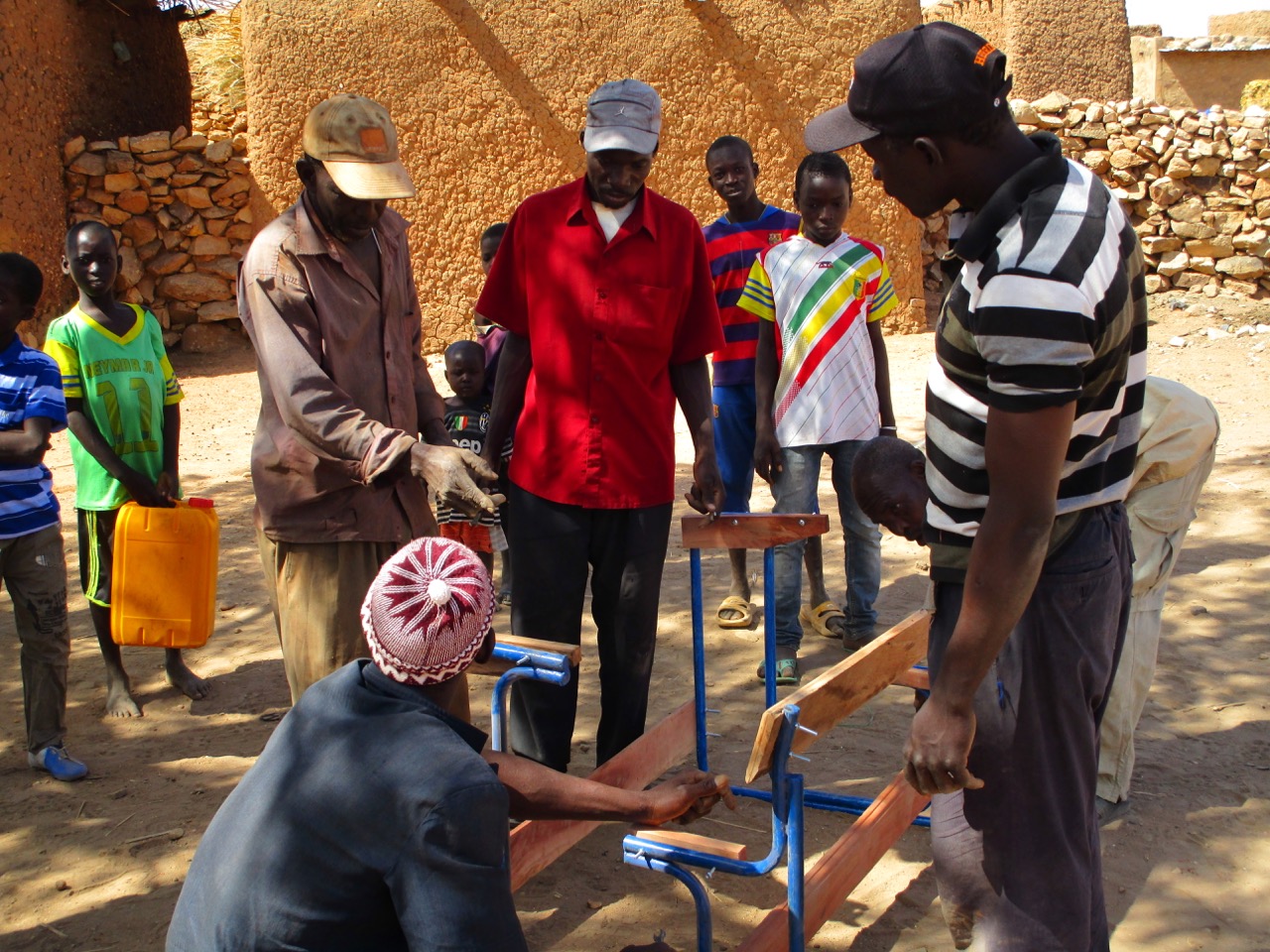
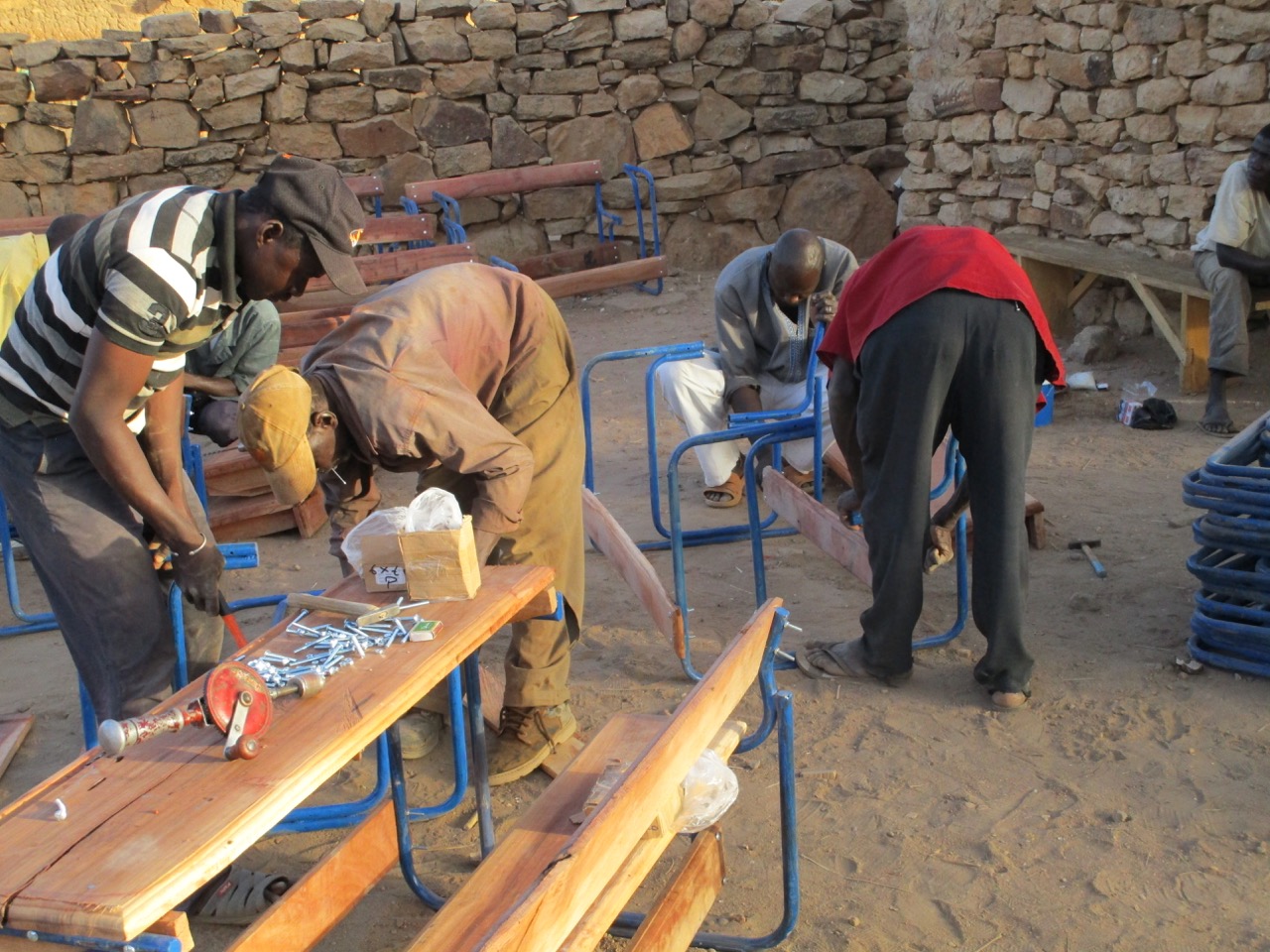
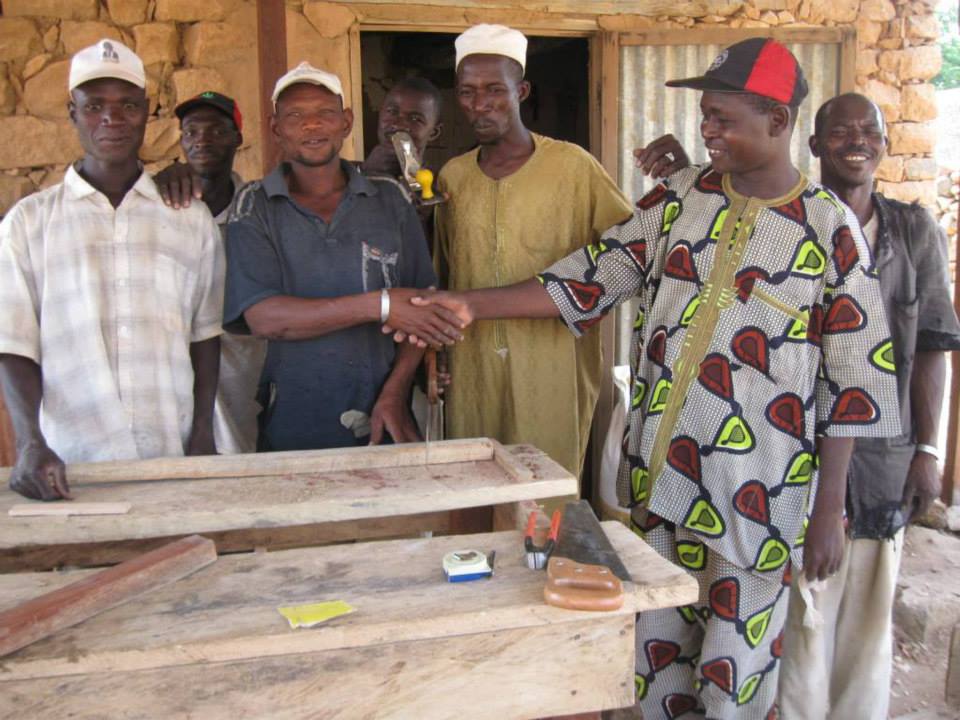
The young men of Kansongho are always looking for new businesses to start and ways to generate income. After a Tandana volunteer donated some carpentry tools to the village tool supply, some of the young men decided they wanted to start a carpentry business. Tandana hired a master carpenter from the nearest city to teach them the skills they needed to make furniture, windows, and doors. They also learned how to install metal roofing, which is more and more in demand in the region, since deforestation has made wood difficult to come by. Free-standing blackboards are another product they learned to create, and which they make for Tandana's literacy classes. During their training, they were able to put new roofing on their storehouse/workshop to save it from imminent storm damage. 

Stove-Making Workshop


Wadouba Township, Mali


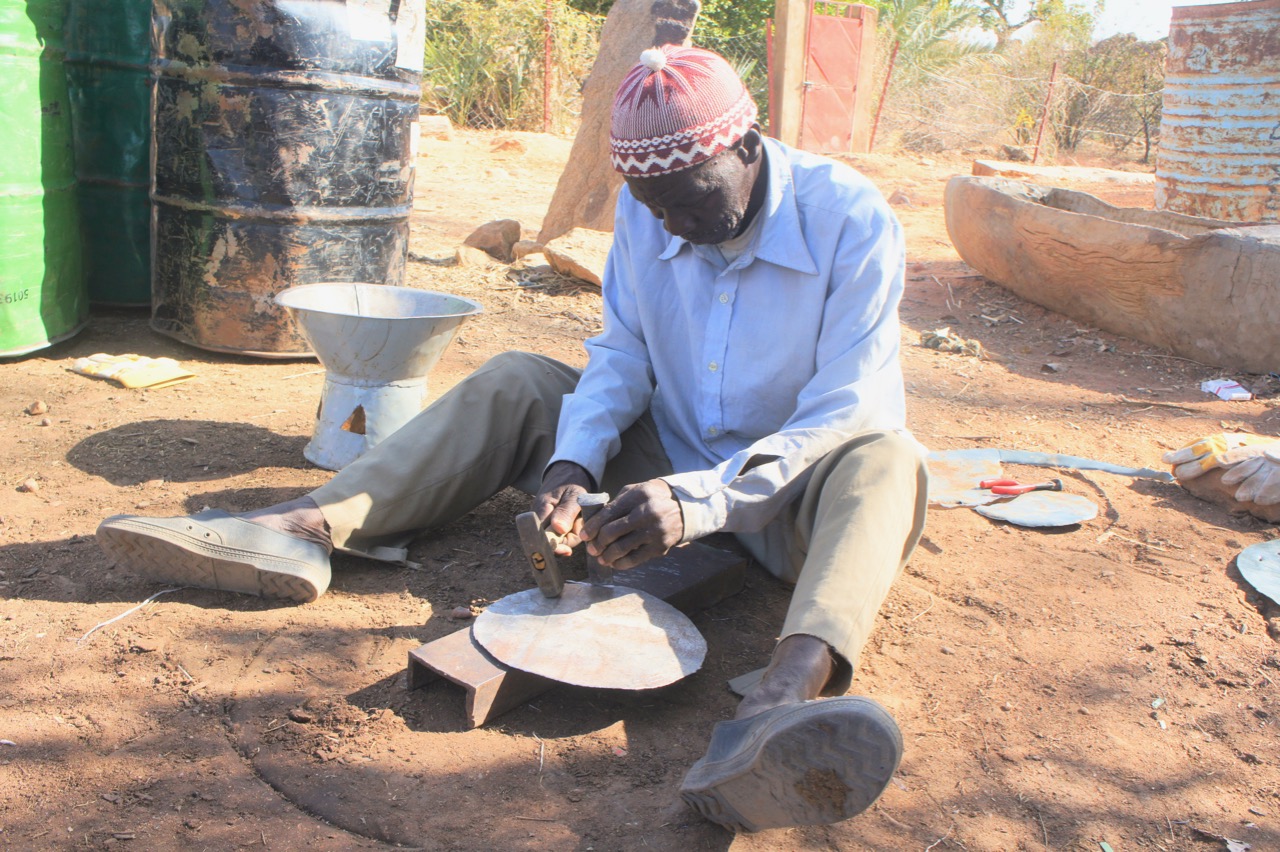
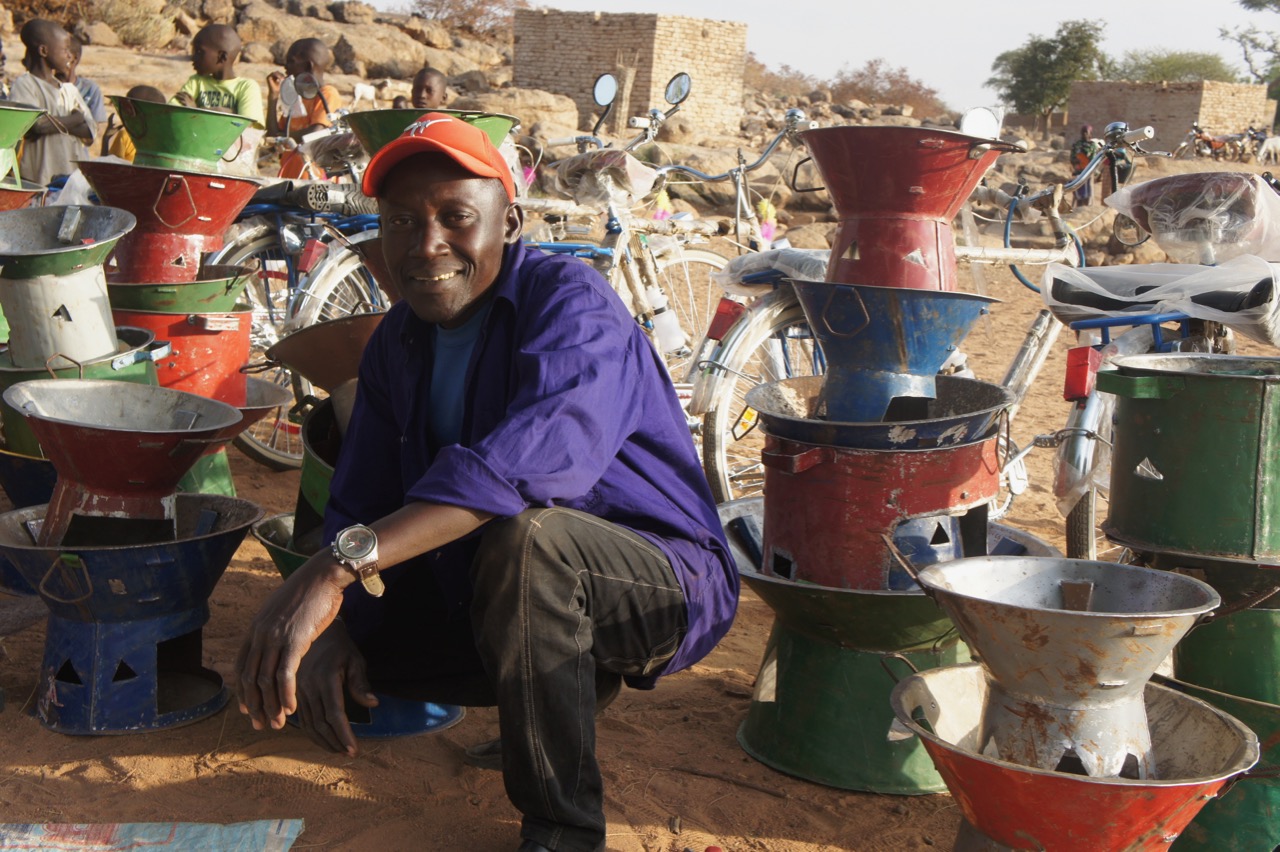
The Tandana Foundation supported the Ologuelemo Environmental Association with a training session on making more environmentally-friendly iron stoves. These stoves are much more efficient than cooking on open fires, the cooking method that is currently most common. Twenty-six men, representing the twelve villages that make up Ologuelemo, attended training workshops to learn how to make the stoves. They are now making stoves to sell in each of their villages, earning income while also reducing the need for tree-cutting.


 Soap Making Workshop


Kansongho, Mali


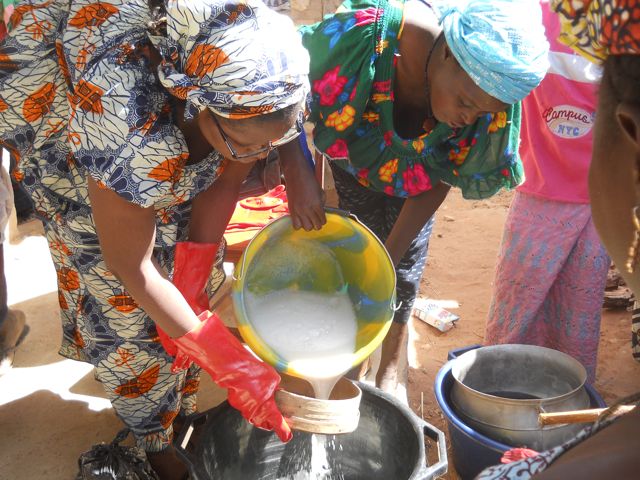
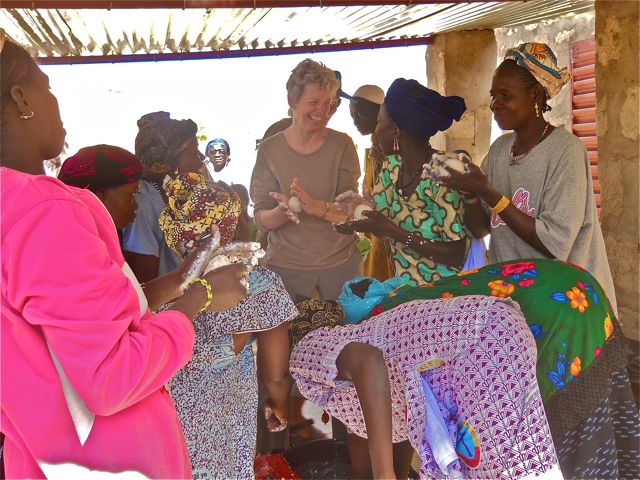
The women of Kansongho, Mali requested a training in soap-making so that they could diversify their sources of income. Tandana hired a trainer from Bandiagara who traveled to the village to train 10 women in how to make the round white balls of soap that are favored locally for washing clothes and dishes. The following day, these 10 women trained others in the village who were interested. Then, they sold the soap produced through the first two days of training in order to buy more materials, so that they could train still more women. Now, all of the women who wanted to learn can produce the balls to sell in local markets.

Menstrual Kit Workshop


Bandiagara, Mali


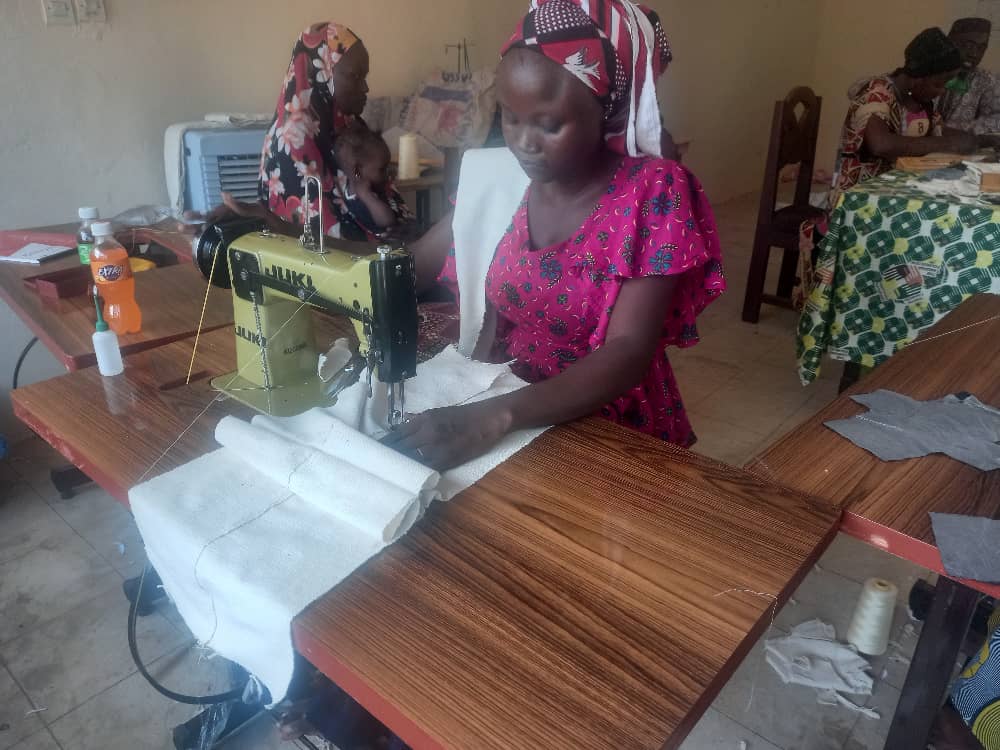
Our team has organized a training session for 10 women who will work in the new menstrual kit workshop we are creating. They are learning how to use sewing machines to make reusable, sanitary menstrual kits, which will be sold at an affordable price to local women and girls.

Stories


May
24

No worries: The women’s associations’ income-generating activities are thriving

Finding employment opportunities is not easy in rural Mali, and many residents have created their own businesses to provide for themselves and their families while also filling the needs of their communities. Some of the women entrepreneurs have joined together in associations and have requested support from The Tandana Foundation to start or expand their … Continue reading "No worries: The women’s associations’ income-generating activities are thriving"
More...

Feb
1

With their community and international volunteers, women’s group in Ecuador realizes their dream

In the community of Yambiro, Ecuador, a group of women started to dream of a better future. Little by little, their ideas materialized until they succeeded in organizing themselves to establish the Yambiro Fish Farming and Irrigation Group (CPRY). English Français Con la ayuda de voluntarios locales e internacionales, un grupo de mujeres en Ecuador … Continue reading "With their community and international volunteers, women’s group in Ecuador realizes their dream"
More...

Aug
31

Through perseverance, a scholarship recipient is supporting her community’s tailoring needs

I’m Aminata Wodiou, from Idieli Douh, in the township of Dourou. My father is a local mason and my mother is a housewife. English Español Grâce à sa persévérance, une boursière soutient les besoins de sa communauté en matière de couture Je suis Aminata Wodiou, je suis de Idieli Douh, dans la commune de Dourou. … Continue reading "Through perseverance, a scholarship recipient is supporting her community’s tailoring needs"
More...

Mar
2

Fleeing violence, finding confidence and hope

The following story is from Ambajugo Kassogue, a grandfather whose family receives support through The Tandana Foundation’s displaced students’ program. English Español Fuir la violence, retrouver confiance et espoir L’histoire suivante est celle d’Ambajugo Kassogue, un grand-père dont la famille reçoit un soutien du programme pour étudiants déplacés de la Fondation Tandana. J’avais 3 greniers … Continue reading "Fleeing violence, finding confidence and hope"
More...

Feb
23

Sharing the impact of Tandana’s displaced students program

The program initiated by The Tandana Foundation for displaced families in Bandiagara is a very welcome initiative, says Hamidou Yalcouyé, coordinator of the displaced students program. English Español Partager l’impact du programme pour étudiants déplacés de Tandana Le programme initié par la fondation Tandana pour les familles déplacées à Bandiagara est une initiative très souhaitée, … Continue reading "Sharing the impact of Tandana’s displaced students program"
More...

Oct
20

Hear from two women about their new abilities and enterprise activities in Mali

After starting with literacy, The Tandana Foundation has steadily expanded its capacity-building programming for women in rural Mali. Now, Tandana partners with villages across the Bandiagara District of Mali to empower women to read, write, calculate, work together in associations, and generate income. English Español Écoutez deux femmes parler de leurs nouvelles capacités et de … Continue reading "Hear from two women about their new abilities and enterprise activities in Mali"
More...

Sep
29

From empty hands to selling pancakes

Due to ongoing insecurity in parts of Mali, The Tandana Foundation launched a program for students of displaced families who are now living in Bandiagara. At first, the program focused on providing educational and food support to families so the students could attend school and settle into their new town. This year, Tandana expanded the … Continue reading "From empty hands to selling pancakes"
More...


The Tandana Foundation Nonprofit Overview and Reviews on GreatNonprofits

External link opens in new tab or windowExternal link opens in new tab or window


  Copyright 2006-2026, All Rights Reserved, The Tandana Foundation  |  501(c)(3) non-profit | EIN: 20-4748423

 2933 Lower Bellbrook Rd., Spring Valley, OH 45370  |  (937) 862-0202  | info [at] tandanafoundation.org


External link opens in new tab or window External link opens in new tab or window External link opens in new tab or window External link opens in new tab or window External link opens in new tab or window 

  • Donate
  • Contact Us
  • Diversity
  • Privacy
Powered by SiteKreator
close lightbox